

-
On July 14, 2026
Window Repair or Replace? Make the Right Call
A window that sticks on a damp morning, whistles when the wind picks up, or gathers condensation between the panes is more than a small nuisance. The question of window repair or replace affects your heating bills, home security, comfort, and the look of your property from the street. The right answer is not always a brand-new unit. Sometimes a targeted repair gets everything working properly again. Other times, continuing to patch an aging window simply costs more in the long run.
For homeowners, landlords, and business owners across Manchester, the best decision starts with an honest look at the condition of the frame, glass, hardware, and seals. Here is how to tell which route gives your property the better result.
Window Repair or Replace: Start With the Main Problem
A damaged handle, loose hinge, failed lock, or worn weatherstripping does not automatically mean the whole window has reached the end of its life. These components work hard every day, and many can be repaired or replaced without disturbing the frame or glass. A good repair can restore smooth operation, improve security, and stop drafts at a fraction of the cost of a full replacement.
Repair is usually the sensible option when the window frame remains solid, the glass is intact, and the issue is limited to one part. For example, a uPVC window that will not lock may need adjustment, a new gearbox, or a replacement handle. A sash that catches may have a hinge problem rather than a frame problem. If a double-glazed unit has misted between the panes but the surrounding frame is in good condition, replacing the sealed glass unit can often solve the issue.
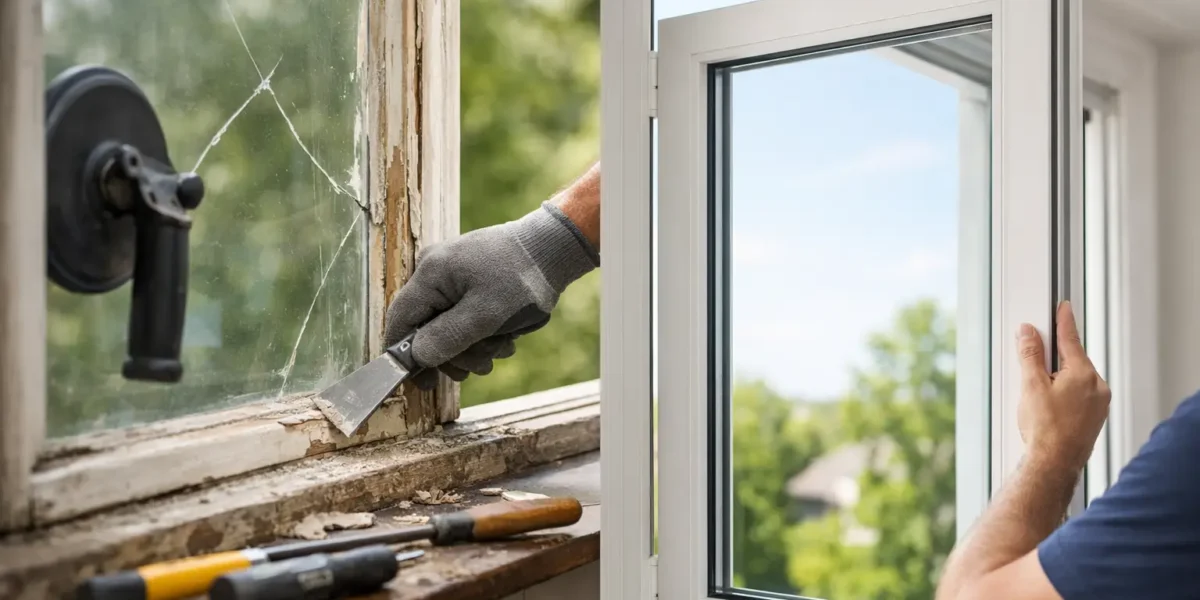
Replacement becomes the stronger choice when several faults appear at once. If the frame is warped, cracked, rotten, badly faded, or no longer holds the glass securely, a repair may only delay a larger problem. The same applies when windows are consistently cold to the touch, allow persistent drafts, or have outdated glazing that does little to retain heat.
Signs a Window Repair Is Worth It
Well-timed repairs can add useful years to a window and protect the investment you have already made. They are especially valuable for properties where matching existing styles matters, or where only one or two windows have developed a fault.
A repair is often worthwhile if the issue is one of the following:
- A handle is loose, broken, or difficult to turn.
- Locks do not engage correctly, but the frame is sound.
- Hinges have dropped, causing the sash to catch or leave a small gap.
- A single glazed unit is cracked or misted while the frame is still in good shape.
- Weather seals have worn down, letting in a minor draft or rainwater.
- A window has become stiff because of alignment, hardware, or drainage issues.
These faults can affect daily comfort, but they are not always structural failures. A professional inspection matters because symptoms can be misleading. A window that feels hard to close could need a simple adjustment, while one that appears to have a minor draft might have deeper problems with the frame, glazing, or installation.
For landlords, prompt repair is also a practical way to keep a rental property safe and presentable between tenancies. A functioning lock, secure glazing, and properly closing windows help prevent avoidable complaints and protect the building from weather damage.
When Replacing Windows Makes Better Financial Sense
There comes a point when repairs become repetitive rather than useful. If you are paying to fix locks, hinges, seals, and glass across multiple aging windows, it is worth comparing those costs with a planned replacement project. New windows can address several concerns at once: thermal performance, security, noise reduction, maintenance, and curb appeal.
Frame condition is the deciding factor. Wooden frames with deep rot, swollen sections, or extensive peeling may be beyond an economical repair. Older uPVC frames can become brittle, discolored, or distorted over time, affecting how well the sash closes and seals. Aluminum windows can last for many years, but damaged thermal breaks, failing seals, or outdated single glazing may make replacement the more efficient choice.
Replacement is also worth considering if your current windows have single-pane glass or early double glazing with poor insulation. Modern double-glazed windows are designed to reduce heat loss more effectively, which can make rooms feel more stable and comfortable during Manchester’s colder, wetter months. Better glazing and properly fitted seals can also help reduce outside traffic noise, a real benefit for homes and small commercial premises on busy roads.
Security should never be treated as a cosmetic upgrade. Windows that have weak locks, damaged keeps, loose frames, or easily compromised glazing leave a vulnerable point in the property. While certain locking systems can be upgraded through repair, a replacement window may be the smarter option if the entire unit is dated or no longer closes securely.
Look Beyond the Upfront Price
The cheapest quote is not always the lowest-cost outcome. Repair has a lower immediate price in many cases, but its value depends on how long the rest of the window is likely to last. Replacing a misted unit in a strong frame can be excellent value. Replacing it in a frame that is already warped, drafty, and difficult to lock may mean paying twice within a short period.
When comparing costs, consider the age of the window, the number of faults, and whether the problem is isolated or repeated. Think about the practical impact as well. A small draft in a seldom-used room may not justify immediate replacement. A failed lock on a ground-floor window, water entering around the frame, or a large crack in the glass needs faster attention.
A full replacement also gives you choices that repair cannot. You can select a frame style and color that suits the building, choose glazing for better thermal performance, and specify stronger hardware. For a period property, that may mean retaining a sympathetic appearance while improving day-to-day function. For a modern home, it could mean cleaner lines, lower maintenance, and a more consistent finish across the property.
The Hidden Clues Homeowners Miss
Condensation is one of the most misunderstood window issues. Water on the room-side surface can be caused by everyday moisture from cooking, showers, laundry, and limited ventilation. Replacing the window alone may not remove that type of condensation. However, moisture trapped between the panes is different. It usually indicates that the sealed unit has failed and its insulating performance has been reduced.
Water marks, mold around reveals, or peeling paint near a window also deserve attention. The cause may be a failed seal, blocked drainage channel, damaged exterior trim, or an installation issue. Left alone, water ingress can affect surrounding walls and create a more expensive repair later.
Do not ignore a window that suddenly becomes difficult to lock. It may simply be out of alignment after seasonal movement, but it can also signal that hinges, the sash, or frame are under strain. Security and weather resistance depend on the window closing firmly in the correct position.
Choosing the Right Upgrade for Your Property
If replacement is the right call, do not treat every window as identical. Ground-floor and easily accessible windows may need enhanced locking options. Bedrooms may benefit from opening configurations that balance ventilation with safety. Street-facing rooms can benefit from glazing that helps soften outside noise, while areas exposed to harsh weather need careful attention to seals, drainage, and fitting quality.
Appearance matters too. Windows are a major part of a property’s character. The right frame color, glazing style, handle finish, and configuration can sharpen curb appeal without sacrificing performance. For landlords and commercial owners, consistent windows can make a property look more cared for and help reduce ongoing maintenance demands.
Bee Manchester can assess whether a repair will give you dependable service or whether a replacement offers better value for your particular property. The goal should not be to sell a new window when a practical repair will do. It should be to leave you with windows that close properly, lock securely, keep the weather out, and look right for the building.
Make the Decision Before a Small Fault Grows
There is rarely a benefit to waiting until a window fails completely. A loose handle can become a security concern. A failed seal can turn into persistent damp. A small gap can make a room noticeably colder and place more demand on your heating.
If the frame and glass are fundamentally sound, repair early and get the useful life that remains in the window. If faults are multiplying or the unit no longer delivers comfort, security, or reliable weather protection, replacement is a sensible investment. A clear assessment now can keep your home or business comfortable, secure, and buzzing with quality for years to come.