

-
On November 25, 2026
uPVC Window Frame Review: Are They Worth It?
A good uPVC window frame review should not stop at “low maintenance” and “energy efficient.” Those benefits are real, but replacement windows are a long-term decision that affects your heating bills, home security, street appeal, and everyday comfort. The right uPVC frames can make a Manchester property warmer, quieter, and sharper looking. The wrong specification or a poor installation can leave even a decent window underperforming.
For homeowners, landlords, and small business owners, uPVC remains one of the most practical frame materials available. It is not the answer for every period property or every design brief, but it earns its popularity for good reasons.
uPVC Window Frame Review: The Short Verdict
uPVC window frames offer excellent value when you want dependable insulation, strong security options, minimal upkeep, and a broad choice of styles. They are especially well suited to replacement projects where old timber frames are rotting, aluminum frames feel cold to the touch, or existing double glazing has begun to fail.
Modern uPVC is a world away from the bulky white frames many people remember from decades ago. Quality systems now come in slimline profiles, woodgrain finishes, and colors ranging from classic cream and anthracite gray to black, green, and more distinctive shades. That gives you more freedom to match the character of your property without accepting the maintenance demands of painted timber.
The important caveat is that uPVC quality varies. Frame thickness, internal chambers, glazing specification, reinforcement, hardware, drainage, and fitting standards all influence the final result. A low headline price can be tempting, but it may mean compromises that show up in drafts, difficult opening sashes, condensation, or a shorter service life.
Where uPVC Frames Perform Best
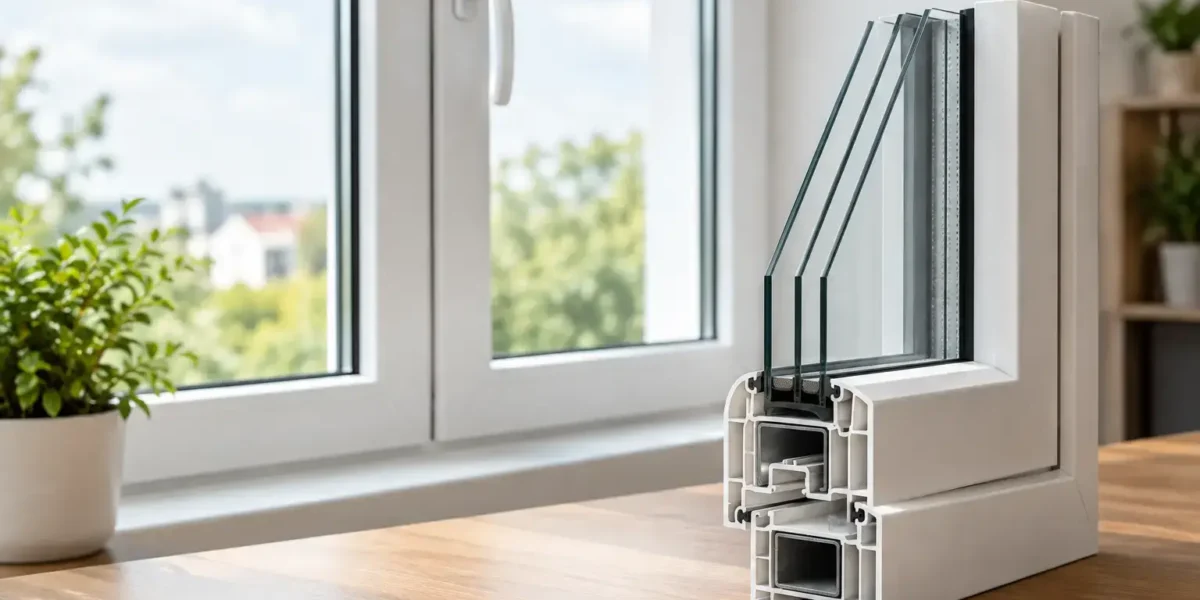
The strongest argument for uPVC is how much practical value it brings to a property. The frames do not conduct heat as readily as standard metal frames, and their multi-chambered construction helps reduce heat transfer. Paired with well-specified double glazing, or triple glazing where appropriate, they can help keep indoor temperatures steadier through cold, wet Manchester winters.
That can mean less reliance on heating and fewer chilly spots around windows. It will not solve every heat-loss issue in a home with poor walls, loft insulation, or aging doors, but it is a meaningful part of a wider efficiency upgrade.
Security is another major advantage. A well-made uPVC window can be fitted with internal beading, reinforced sections, locking handles, and multipoint locking systems. These features make forced entry far more difficult than on tired, single-glazed, or poorly maintained windows. Ground-floor openings, accessible side windows, rental properties, and commercial premises may benefit from particularly careful consideration of locks and restrictors.
Noise reduction also matters more than many buyers expect. Busy roads, school runs, late-night traffic, and nearby commercial activity can all intrude on a property. Glass choice does much of the heavy lifting here, but a properly fitted, tightly sealed uPVC frame supports the acoustic performance of the full unit. If noise is a key concern, say so early in the quote process rather than treating it as an afterthought.
The Drawbacks Worth Considering
No honest review should pretend that uPVC has no limitations. Although modern colored finishes are far more convincing than older products, uPVC does not have the exact depth, grain, or repairability of natural timber. For listed buildings, conservation areas, or properties where heritage details are central to the façade, timber or a carefully selected alternative may be more suitable.
Dark-colored uPVC frames can also need more attention to specification. Dark finishes absorb more heat in direct sun, so quality materials, suitable reinforcement, and correct installation are particularly important. This does not make dark frames a poor choice. It simply means the product should be selected and fitted with the color and elevation in mind.
uPVC is low maintenance, not no maintenance. Frames still need occasional washing, drainage channels need to stay clear, and hinges, handles, and locks should be checked over time. Neglect can turn a simple adjustment into a larger repair. The good news is that these tasks are generally straightforward and far less demanding than sanding and repainting timber frames every few years.
Finally, uPVC cannot compensate for bad workmanship. An uneven opening, inadequate sealing, incorrect packers, or poorly adjusted hinges can affect weather resistance, security, and appearance. The frame and the installation should be treated as one purchase.
What Makes One uPVC Window Better Than Another?
It is easy to compare window quotes by price alone, but the details behind the quote matter. Start with the frame profile. Look for a solid, well-finished system with proportions that suit the opening. Slim sightlines can bring in more daylight, while deeper profiles may support certain glazing or performance requirements. There is no universal winner – the best choice depends on the building and the window style.
Next, look at glass. Double glazing is a sensible standard for many homes, while triple glazing can be worthwhile in particular rooms or highly exposed locations. However, triple glazing is heavier and costs more, so it is not automatically the best upgrade for every property. Glass coatings, spacer bars, gas-filled units, and laminated panes can all influence warmth, safety, and sound control.
Hardware deserves equal attention. A secure, smooth-operating window should feel reassuring every time it closes. Ask about locking points, handle quality, child safety restrictors where needed, and whether hinges can be adjusted in the future. A stylish handle is welcome, but reliable hardware is what keeps the window functioning well year after year.
Then consider the finish. White remains a clean, cost-effective option, especially for rental homes and traditional suburban properties. Gray and black can give a contemporary edge, while woodgrain effects can soften a newer frame on older homes. The best color is one that works with your brickwork, doors, roofline, and the neighboring windows you see every day.
Installation Is the Part You Will Notice Longest
A replacement window should be measured precisely, fitted squarely, insulated and sealed correctly, then tested before the installer leaves. That sounds basic, yet it is where the difference between an acceptable job and a quality job becomes clear.
A careful installer will assess the condition of the opening, identify any damaged surrounding materials, and discuss details such as sill projection, internal trim, external finish, and how the window will open. They should also make sure the sash operates smoothly and locks cleanly. If there is a gap, a rattle, a stiff handle, or a visible finish issue at handover, raise it immediately.
For occupied homes and businesses, the working process matters too. Replacement work creates dust and disruption, so tidy preparation, respectful communication, and proper removal of old units are part of the service. Bee Manchester approaches window work as more than a frame-and-glass swap. The aim is a finished result that looks right, feels secure, and keeps doing its job when the weather turns.
How Long Do uPVC Window Frames Last?
A good uPVC window system, properly installed and maintained, can provide many years of reliable use. Its lifespan will depend on exposure, the quality of the original unit, hardware maintenance, and how well the glazing seals hold up. South-facing windows, coastal conditions, heavy use, and neglected drainage can all place greater demands on a frame.
Signs that replacement or repair may be needed include persistent drafts, misting between glass panes, water ingress, yellowing or cracking frames, sticking sashes, failed locks, and condensation that continues despite sensible ventilation. Not every issue means the full window has to be replaced. Sometimes a hinge adjustment, new handle, lock repair, replacement sealed unit, or fresh gasket will restore performance at a lower cost.
Is uPVC the Right Choice for Your Property?
Choose uPVC when you want an adaptable, efficient, secure frame material with strong value for money and a wide range of design options. It is particularly compelling for family homes, rental properties, shopfront-adjacent offices, and homeowners replacing tired windows without taking on a high-maintenance project.
If your property has strict heritage requirements, if you want the feel of painted natural timber, or if an architect has specified another material, weigh those priorities carefully. The best window is not the most expensive one or the trendiest color. It is the one that fits your building, budget, comfort needs, and security expectations.
Before choosing, look beyond the showroom sample. Ask how the frames will be glazed, locked, sealed, finished, and maintained in your specific opening. A well-chosen uPVC window should give your property a little more warmth, a little more quiet, and plenty more peace of mind – something worth buzzing about long after installation day.