

-
On November 23, 2026
Manchester Window Fitting Guide for Smarter Homes
A new window should do more than make a room look sharper from the street. In a Manchester home, it needs to keep warmth where it belongs, soften outside noise, resist driving rain, and close with the reassuring feel of proper security. This Manchester window fitting guide explains what to choose, what to expect from the work, and how to spot fitting standards that will serve your property for years.
Whether you own a Victorian terrace, manage a rental property, or are updating a small commercial unit, the right result comes from treating the window, the opening, and the installation as one job. A premium frame fitted poorly will not deliver its promised performance. Get the details right and your home can be buzzing with greater comfort, curb appeal, and peace of mind.
Start With What Your Windows Need to Solve
The best replacement windows are not always the most expensive option or the one with the most dramatic style. They are the ones that solve the problems your property actually has. If rooms feel cold around the edges, condensation gathers on the glass, traffic noise interrupts sleep, or locks and handles feel unreliable, those issues should shape your specification.
For many Manchester homes, uPVC double-glazed windows are a practical choice because they offer strong insulation, low maintenance, and a wide choice of colors and finishes. Modern uPVC does not have to mean plain white frames. Woodgrain effects, anthracite gray, black, and softer neutral tones can suit both period and contemporary properties.
Aluminum can be worth considering where slim sightlines and a more architectural finish are a priority, particularly for larger glazed areas. It usually comes at a higher cost, so it makes most sense when the design benefit matters as much as thermal performance. The right choice depends on your budget, the character of the building, and how long you expect to own it.
Glass deserves equal attention. Double glazing is the standard starting point, but the specification can be tailored. Low-emissivity glass helps reflect heat back into the room. Laminated glass can strengthen security and reduce certain types of noise. Obscure glass protects privacy in bathrooms, hallways, and ground-floor windows without sacrificing daylight.
Manchester Window Fitting Guide: Measure Before You Order
Accurate surveying is where a dependable installation begins. A fitter should measure more than the visible gap between the existing frames. They need to assess the opening, check whether it is square, inspect the condition of surrounding brickwork or render, and identify any signs of water damage, movement, or failed lintels.
Older properties rarely offer perfectly uniform openings. That is normal, but it means off-the-shelf assumptions can create trouble. A window that is too tight can be difficult to level and seal properly. One that is too small may require excessive packing and leave wide, unattractive gaps around the frame. A made-to-measure unit gives the installer the tolerance needed to position it correctly and finish the reveal neatly.
Ask how the company will handle trickle vents if ventilation is required. These small vents can help manage background airflow, but their placement and appearance should be considered before manufacture. It is also sensible to discuss internal window boards, exterior sills, and trims at the survey stage so there are no surprises on fitting day.
Choose Security That Works Every Day
Security is not just about adding a lock after the window is fitted. It is built into the frame, glass, hinges, handles, and installation method. Look for multi-point locking where appropriate, lockable handles, strong hinge protection, and glazing that is properly retained within the frame.
Ground-floor windows, accessible upper-floor windows, and openings near flat roofs need extra thought. Laminated panes may be a wise upgrade in vulnerable locations, while restrictors can be useful where safety or controlled ventilation is a concern. For landlords and commercial owners, consistency matters too. Using compatible locking systems across a property can make key management and future repairs much simpler.
Do not overlook the small components. Loose handles, worn hinges, and failed locks can undermine an otherwise sound window. A specialist who can supply, fit, and repair the hardware offers a practical advantage when a future adjustment is needed.
What Quality Window Installation Looks Like
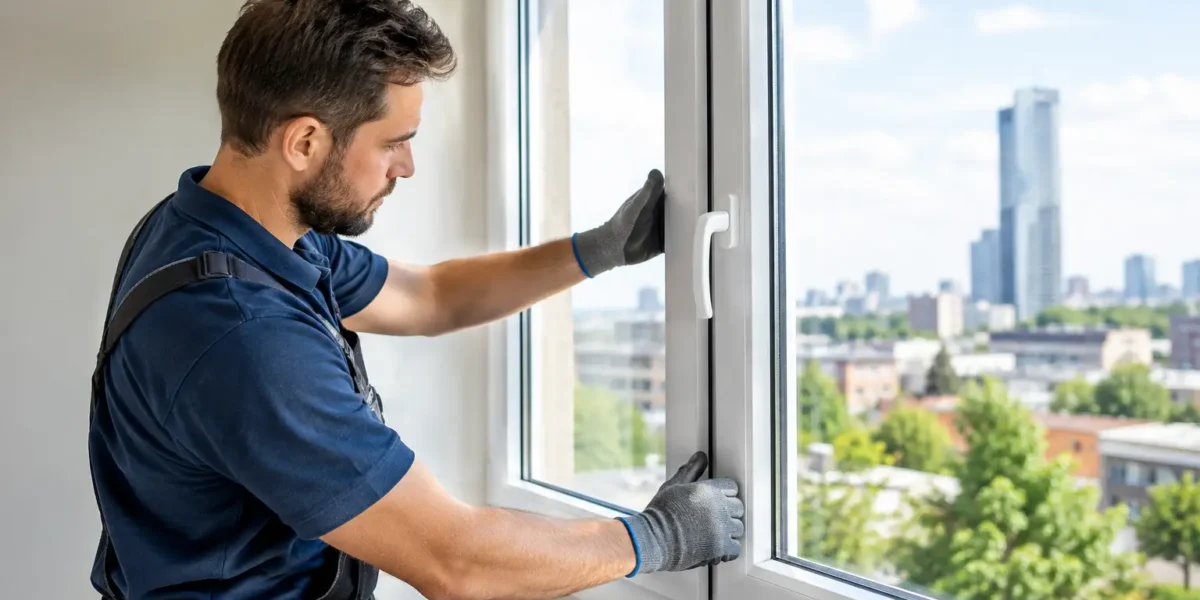
Good fitting work is methodical, not rushed. The old unit should be removed with care to avoid unnecessary damage to plaster, brickwork, or internal finishes. Once the opening is exposed, the installer can inspect for hidden defects and address them before the new frame goes in.
The new window should be set level, plumb, and square, then secured using suitable fixings for the wall construction. Packers may be used to keep the frame in the correct position, but they should support a precise installation rather than compensate for inaccurate measurement. The sash should open, close, and lock smoothly before any finishing work starts.
Sealing is especially important in Manchester’s wet weather. The external joint must be weatherproof while the interior finish should be neat and airtight enough to limit drafts. Excessive sealant, rough trim work, or gaps around the frame are not cosmetic details to ignore. They can point to poor preparation and may lead to moisture issues or heat loss later.
A quality fitting team will also check drainage paths in the frame, test every handle and lock, clear away old materials, and leave you knowing how to use and care for the windows. This is where local workmanship earns its reputation. Bee Manchester approaches window projects as a complete service, with the product choice and the final fit given the same attention.
Prepare Your Home for Fitting Day
Window replacement is usually straightforward, but there will be noise, dust, and temporary disruption around each opening. Move ornaments, curtains, blinds, and furniture away from the work area before the team arrives. If possible, cover nearby belongings, especially electronics and soft furnishings.
Keep children and pets away from the rooms being worked on. Windows may be removed briefly, and tools, glass, and materials need a clear working zone. Let the installer know in advance about access restrictions, parking challenges, alarms, or any rooms that cannot be entered at certain times.
For commercial premises, plan the work around customers and staff. A street-facing shop window or office entrance may need to be scheduled for a quieter period. Clear communication before the job helps the fitting team protect the property and keeps business interruption to a minimum.
Know the Trade-Offs Before You Say Yes
A lower quote is appealing, but compare what is actually included. Does it cover removal and disposal of old frames, trims, sills, vents, upgraded glass, locks, and making good after installation? Is the quoted energy performance based on the complete window, not simply the glass unit? These details can change the real value of the offer.
The same applies to style. Flush casement windows can give a refined, traditional look, while standard casement frames may offer a more cost-effective route to excellent performance. Larger opening sections improve ventilation but can affect sightlines and budget. Dark exterior colors can create standout curb appeal, though they may show dust more readily than lighter finishes.
It also pays to think beyond the immediate project. If you intend to replace doors later, selecting complementary colors, hardware, and glazing patterns now can create a more cohesive finish. A home does not need every window and door changed at once, but a clear plan prevents mismatched upgrades.
Aftercare Keeps Performance on Track
New windows need very little maintenance, but a few habits protect the investment. Wipe frames with mild soapy water, keep drainage channels free of debris, and avoid abrasive cleaners that can dull finishes. Operate every opening regularly, particularly windows that are rarely used, so hinges and locks continue to move freely.
Condensation on the room-side glass is not always a window fault. It can indicate high indoor humidity from cooking, showering, drying clothes, or limited ventilation. Use extractor fans, open trickle vents where fitted, and maintain sensible airflow. If moisture appears between panes, however, the sealed unit may have failed and should be assessed.
If a handle stiffens, a sash catches, or a lock stops engaging cleanly, arrange an adjustment rather than forcing it. Small repairs are usually simpler and more affordable when tackled early. The best window fitting is built to last, but dependable aftercare is what keeps it working beautifully through every Manchester season.
Before choosing your installer, ask for a clear survey, a written specification, and an honest explanation of what your home needs. That little bit of homework helps turn a replacement window into a lasting improvement you can feel every time the weather turns.