

-
On July 22, 2026
Best Energy Efficient Windows for Your Home
A cold draft near the sofa, condensation on the glass, and a heating system that never seems to get a break are not small annoyances. They are signs that your windows may be costing you comfort and money. The best energy efficient windows do more than look smart from the curb. They help maintain a steady indoor temperature, reduce outside noise, improve security, and make a property feel properly cared for.
Choosing them is not as simple as picking the thickest glass or the highest price tag. Window performance comes from the way the glazing, frame, seals, spacers, and installation work together. A well-chosen unit fitted poorly can still let heat escape. A reliable local installer will help you match the product to the property rather than pushing a one-size-fits-all replacement.
What Makes the Best Energy Efficient Windows?
Energy-efficient windows slow the transfer of heat. In winter, that means keeping warmed indoor air inside. In summer, it means reducing unwanted solar heat gain. They also limit air leakage around the sash and frame, which is often the reason a room feels chilly even when the heat is on.
Start with the full window rating, not a claim about the glass alone. In the U.S., the National Fenestration Rating Council label gives useful figures for comparing products. The U-factor measures how readily a window transfers heat, so lower is better. Solar Heat Gain Coefficient, or SHGC, measures how much solar heat passes through the window. A lower number reduces summer heat gain, while a higher number can be helpful where winters are long and sunny.
The right SHGC depends on the home and its exposure. A large south- or west-facing room that overheats in the afternoon needs a different solution from a shaded north-facing bedroom. This is why the best choice is usually tailored, not simply the window with the lowest number on every part of the label.
Air leakage is another figure worth checking. Lower air-leakage ratings generally mean fewer drafts when the unit is closed and locked. Visible transmittance tells you how much daylight comes through. Very high-performance coatings can slightly reduce visible light, so there is a sensible balance between insulation, glare control, and a bright interior.
Low-E glass does the hard work quietly
Low-emissivity, or Low-E, glass has a microscopically thin coating that reflects heat. It helps keep internal warmth in during colder months and can reduce heat coming in from strong sunlight. The coating is clear, so you still get a clean view and natural light without relying on dark, heavy tinting.
Not all Low-E glass is designed for the same conditions. Some coatings prioritize retaining heat, while others are made to block more solar gain. A good supplier should explain which option suits the direction each window faces, not just add technical jargon to a quote.
Double-pane versus triple-pane glazing
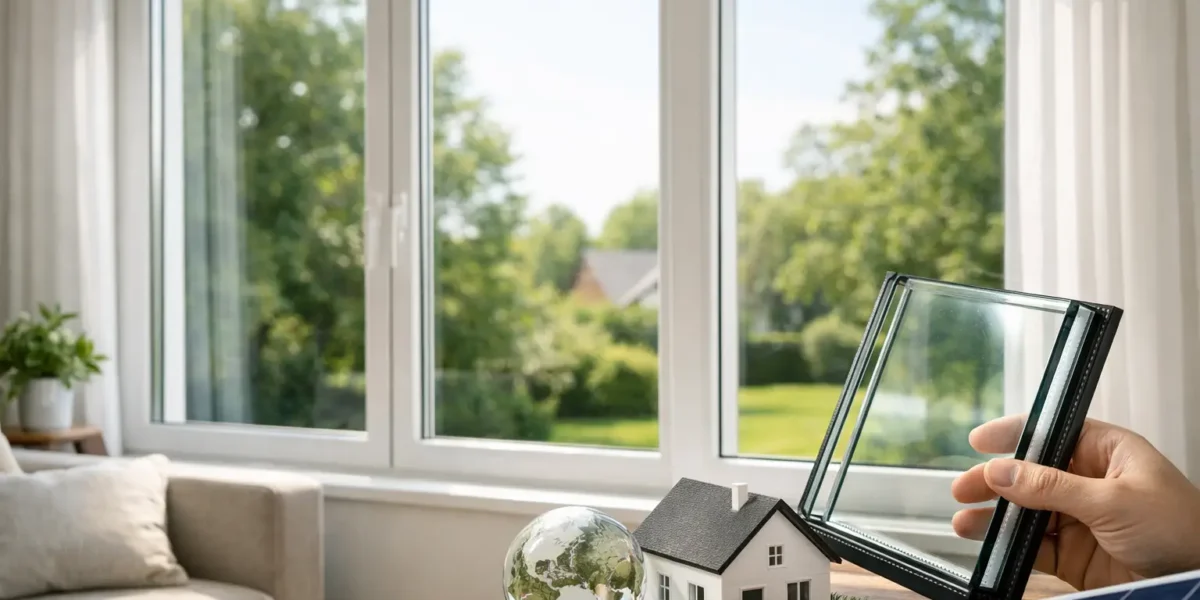
Double-pane windows with quality Low-E glass are an excellent fit for many homes. The gap between the panes is filled with an insulating gas, commonly argon, to reduce heat transfer. Warm-edge spacers around the edge of the glass further reduce cold spots and help limit condensation.
Triple-pane glazing adds another pane and another insulating gap. It can deliver a lower U-factor, reduce outdoor noise, and make rooms near busy streets feel noticeably more comfortable. The trade-off is cost, weight, and, in some cases, a slightly reduced amount of daylight. For a particularly exposed elevation, a bedroom facing traffic, or a home with persistent cold spots, triple-pane units can be money well spent. For every opening in a mild climate, a high-quality double-pane window may offer the better return.
Frame Materials Matter as Much as the Glass
The frame takes up a substantial part of every window opening. If it is poorly insulated, warped, or badly sealed, even premium glazing cannot perform as it should.
uPVC frames are popular because they are low-maintenance, durable, and naturally insulating. Modern uPVC windows are available in far more styles and colors than the plain white frames many people remember. They can suit traditional homes and cleaner, contemporary designs alike, especially when paired with the right hardware and glazing pattern.
Wood offers natural insulation and character, making it appealing for period properties and homeowners who want a warmer architectural finish. It does require regular maintenance to protect it from moisture and sun damage. Aluminum is slim, strong, and well suited to larger openings, but it should include a thermal break. Without that insulated barrier inside the frame, aluminum can transfer heat more readily than other materials.
Composite or hybrid frames combine materials to balance strength, insulation, and appearance. They can be an excellent long-term option, although price and available styles vary. The best frame is one that fits the building, budget, maintenance expectations, and desired look – not simply the material with the loudest marketing claim.
Choose the Window Style for Real-World Performance
The opening style affects air tightness, ventilation, security, and how easily you can clean the glass. Fixed picture windows do not open, so they are often the most airtight option. They work well for views and light, but should be balanced with opening windows elsewhere for ventilation.
Casement windows generally seal tightly when closed because the sash presses against the frame. They are a strong all-around choice for energy performance and are easy to pair with modern locking hardware. Awning windows offer similar benefits and can be opened slightly during light rain without inviting water indoors.
Double-hung windows are a familiar choice for traditional-looking homes and allow flexible ventilation. Their performance depends heavily on the quality of the weatherstripping and balance system. Sliding windows are convenient where a swinging sash would get in the way, but they can have more potential air-leakage points than a well-made casement window.
For each room, consider how people actually use it. A fixed unit may be ideal beside a door. A window over a kitchen counter should be easy to operate. An upstairs bedroom needs safe ventilation and a suitable emergency escape route where required. Energy efficiency should improve daily living, not create an attractive window that is awkward to use.
Installation Is Where Energy Savings Are Won or Lost
A replacement window is only as efficient as its fit. Gaps around the frame, uneven shims, insufficient insulation, poorly applied sealant, and damaged exterior trim can all undermine the performance shown on a product label.
Professional installation begins with accurate measuring and an assessment of the opening itself. Older properties can have uneven walls, hidden moisture issues, or damaged surrounding materials that need attention before a new unit is installed. The installer should square and secure the frame, insulate the perimeter appropriately, seal the interior and exterior correctly, and test that the window opens, closes, and locks without forcing it.
This attention also protects security. A window that does not sit correctly in its frame can compromise lock engagement as well as allow drafts. At Bee Manchester, the aim is to make every replacement window a practical upgrade: warmer, safer, quieter, and sharp enough to lift the whole property.
A Smarter Way to Compare Window Quotes
When comparing quotes, ask each supplier to specify the same details. A low initial figure may exclude the glazing upgrade, trim work, disposal, hardware, or repair work needed to complete the job properly. You should be able to see what is included rather than guess where corners may be cut.
Use this short checklist before committing:
- The whole-window U-factor and SHGC, not just a general energy-efficiency claim.
- The glass build-up, including Low-E coating, gas fill, and whether it is double- or triple-pane.
- Frame material, color, hardware, and the opening style for each location.
- Removal of old windows, perimeter repairs, finishing work, and waste disposal.
- Installation warranty, product warranty, and confirmation that locks operate correctly.
It is also worth considering noise reduction, especially near roads, schools, or commercial areas. Laminated glass and asymmetric pane thickness can reduce certain types of sound more effectively than standard double-pane glass. That may not be necessary for every room, but it can make a meaningful difference in a front bedroom or home office.
When Replacement Is Not the First Answer
Not every draft calls for a full replacement. Worn weatherstripping, failed handles, damaged hinges, loose locks, or minor seal problems can sometimes be repaired. Addressing these issues promptly can improve comfort and extend the life of a sound window.
However, fogging between panes usually indicates a failed insulated glass seal, and persistent condensation around cold frames can point to a larger performance problem. If frames are warped, the glazing has failed repeatedly, or several windows are reaching the end of their service life, replacement may offer better value than a cycle of short-term fixes.
The right windows should make the change feel immediate: fewer drafts at the favorite chair, less traffic noise during a call, clearer glass on cold mornings, and a home that holds its warmth without working overtime. Start with the rooms that cause the most discomfort, ask for specifications that match your conditions, and choose workmanship that is buzzing with quality long after installation day.