

-
On November 13, 2026
7 Signs of Failed Glazing You Shouldn’t Ignore
A clear view should stay clear. If your double-glazed window looks cloudy between the panes, feels cold around the edges, or suddenly lets in more street noise, it may be more than a cleaning issue. These are common signs of failed glazing, and acting early can help protect your comfort, energy bills, and property’s appearance.
Failed glazing does not always mean the entire window needs replacing. In many cases, the sealed glass unit can be replaced while the existing frame remains in place. The right answer depends on the condition of the glass, frame, seals, hardware, and the level of performance you expect from the window.
What Does Failed Glazing Mean?
Most modern double-glazed windows contain two panes of glass separated by a spacer bar and a sealed gap. That gap is filled with air or insulating gas to reduce heat transfer and limit condensation. The perimeter seal keeps moisture out and helps the unit do its job.
When that seal breaks down, moisture and outside air can enter the cavity. This is known as a failed sealed unit or failed glazing. It is not the same as ordinary condensation on the room-side surface of a window, which can be caused by high indoor humidity. The key difference is location: moisture trapped between the panes cannot be wiped away.
7 Signs of Failed Glazing
1. Condensation or fog between the glass panes
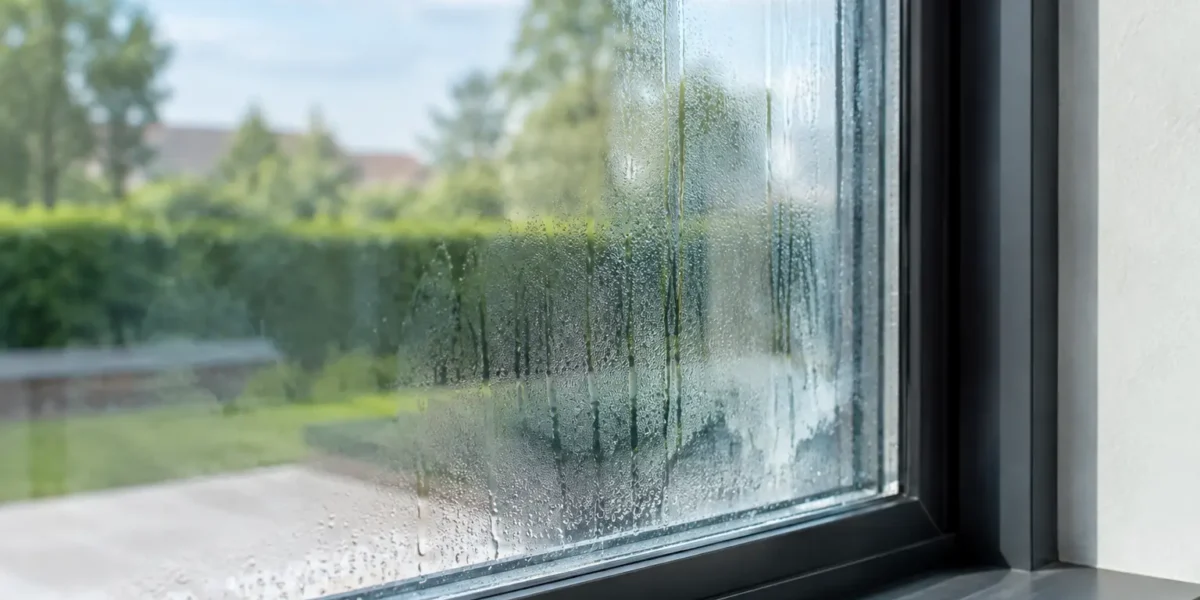
This is the giveaway sign. If mist, droplets, or a milky haze appear inside the glazed unit, the perimeter seal has likely failed. No amount of cleaning on either surface will remove it because the moisture is trapped inside.
It may come and go with changes in temperature, but that does not mean the issue has fixed itself. Once the seal has broken, the insulating performance of the unit is compromised.
2. Cloudy glass that spoils the view
Failed units often develop a permanent cloudy or dirty-looking appearance. Over time, moisture can leave mineral deposits inside the cavity, making the glass look marked even on a dry day.
This is especially frustrating in bay windows, patio doors, storefronts, and any room where natural light and a clean view matter. Replacing the sealed unit can restore the look of the opening without necessarily changing the whole frame.
3. A colder room or noticeable drafts
A failed glazed unit loses some of its ability to retain heat. You might notice that the area close to the window feels colder, particularly during winter, or that one room never seems as comfortable as the rest of the property.
However, a genuine draft may also point to worn weatherstripping, poor installation, a warped sash, or gaps around the frame. A professional inspection matters because replacing glass alone will not solve a frame or fitting issue.
4. Higher heating and cooling costs
Energy bills rise for many reasons, so failed glazing is rarely the only explanation. Still, windows that are no longer insulating effectively can make your heating and cooling system work harder to maintain a steady indoor temperature.
If you have fogged units alongside cold spots, fading comfort, or older windows throughout the building, the pattern is worth investigating. Repairs may offer a cost-effective improvement, while replacement windows may make more sense if the frames are also dated or damaged.
5. More outside noise than before
Double glazing can help reduce outside noise, although it is not a complete soundproofing solution. When seals degrade or the window no longer closes tightly, traffic, conversations, and general neighborhood noise may become more noticeable.
Noise issues can also come from loose hinges, worn locks, or gaps where the sash meets the frame. This is one reason an assessment should look at the complete window, not just the glass.
6. Discoloration around the edges of the unit
Look closely at the perimeter of the glass. Dark marks, staining, or a visible line of moisture near the spacer bar can indicate that the sealed unit is deteriorating. In more advanced cases, the spacer, sealant, or internal coating may begin to look uneven.
Early edge damage is easy to overlook, particularly on windows that are rarely opened. Catching it before the haze spreads can help you plan the repair rather than waiting until the view is badly affected.
7. Glass that looks distorted or damaged
Distortion, cracking, chips, or bowed glass should never be ignored. A cracked pane is not always a failed sealed unit, but it can allow moisture in and reduce security. It also creates a safety concern, especially near doors, low-level windows, and busy commercial entrances.
If the glass is damaged, avoid forcing the window open or shut. A specialist can confirm whether the unit, frame, glazing beads, or hardware needs attention and recommend a safe repair.
Why Do Double-Glazed Units Fail?
Glazing seals have a working life, not a lifetime guarantee. Constant expansion and contraction from temperature changes can gradually weaken the edge seal. Sun exposure, water drainage problems, poor installation, and movement in the frame can all speed up the process.
Age is a common factor, but newer windows can fail too if they have been fitted incorrectly or subjected to impact. Windows in bathrooms, kitchens, coastal areas, or exposed elevations may face more demanding conditions because of moisture, heat, and weather exposure.
It is also worth checking the drainage channels at the bottom of uPVC frames. If they become blocked, water can sit where it should be draining away, putting unnecessary pressure on seals and surrounding components.
Repair or Replace? The Practical Decision
If the frame is secure, opens smoothly, and has no significant cracking, warping, or rot, replacing the failed glass unit is often the sensible route. It can improve appearance and thermal performance while keeping the existing window frame in place.
Full window replacement may be the better investment when several units have failed, the frames are damaged, locks no longer operate reliably, or you want a major upgrade in insulation, security, and style. Landlords and commercial owners may also need to consider safety glazing requirements and the condition of the entire opening rather than just the visible problem.
There is no one-size-fits-all answer. A like-for-like sealed-unit replacement is usually less disruptive and less expensive upfront. A full replacement costs more, but can deliver better long-term performance when the whole window has reached the end of its useful life.
Do Not Confuse Failed Glazing With Surface Condensation
Condensation on the inside of a window is common when warm, humid air meets cold glass. Showering, cooking, drying laundry indoors, and limited ventilation can all contribute. Improving extraction, opening trickle vents where fitted, and maintaining steady background heat can help.
Condensation on the outside pane can actually be a positive sign that the window is insulating well. It happens when the outer glass stays cool enough for moisture in the outdoor air to settle on it.
Condensation between the panes is different. That is the sign that calls for a glazing inspection, because the sealed unit has lost its integrity.
Protect Your Windows Before Small Problems Spread
Check your windows a few times a year, particularly after severe weather. Keep drainage slots clear, wipe away standing water, and do not ignore stiff handles, loose hinges, or windows that no longer close squarely. These issues can place extra strain on seals and compromise security over time.
For Manchester homeowners, landlords, and business owners, a clear diagnosis saves money and avoids unnecessary work. Bee Manchester can assess whether you need a replacement sealed unit, window repair, upgraded hardware, or a complete new installation. A clean, properly sealed window is not just better looking – it helps your property feel warmer, quieter, and more secure every day.