

-
On October 18, 2026
Window Repairs: When a Fix Beats Replacement
A window that sticks on a cold morning, rattles in the wind, or lets in a steady draft is more than a minor annoyance. It can affect comfort, heating costs, home security, and the condition of the room around it. The right window repairs can often restore performance without the disruption or expense of replacing an entire unit.
For homeowners, landlords, and small business owners in Manchester, the key is knowing what has actually failed. Sometimes the answer is a new handle, hinge, lock, seal, or glazed unit. Other times, persistent problems point to a window that has reached the end of its useful life. A proper assessment helps you spend money where it makes the biggest difference.
What Window Repairs Can Solve
Modern uPVC and double-glazed windows are built to last, but they work hard every day. Frames expand and contract with changing temperatures, hinges carry the weight of opening sashes, locks experience regular use, and sealed glass units must keep moisture out over many years. A single worn component can make a good window feel unreliable.
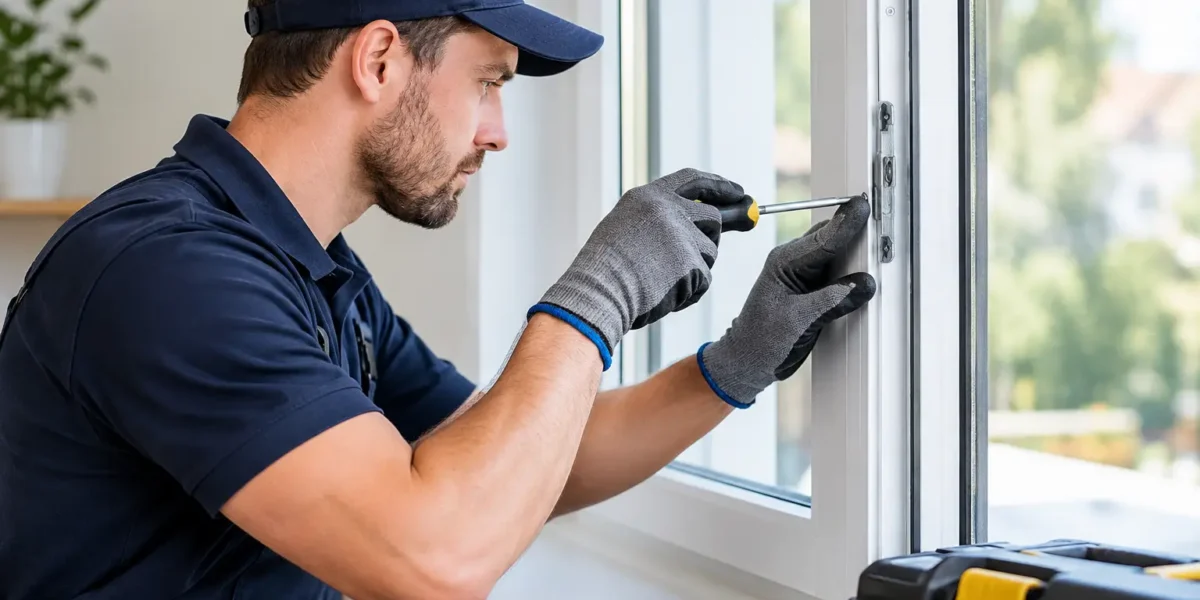
A window that will not close tightly may simply need adjustment. Dropped hinges, misaligned keeps, and worn locking mechanisms can prevent the sash from sitting correctly against the frame. Once adjusted or replaced, the window can close more securely and reduce unwanted air movement.
Condensation between the panes is another common concern. This usually means the seal around a double-glazed unit has failed, allowing moisture into the cavity. The frame itself may still be in excellent condition, so replacing the glass unit rather than the complete window can be the sensible solution. You regain a clearer view and improve insulation without paying for unnecessary frame replacement.
Damaged handles and faulty locks deserve prompt attention. A loose handle may be inconvenient, but a lock that does not engage properly is a security issue. Whether it is a residential bedroom window, a ground-floor living room window, or a commercial premises window, reliable locking hardware helps protect the property when it matters most.
Signs Your Window Needs Attention
Small changes are easy to overlook because they happen gradually. You may get used to pushing harder on a handle or placing a towel near a drafty frame. Those signs are worth checking before a simple repair turns into a bigger problem.
Look out for these four issues:
- A draft, whistling sound, or cold spot around the frame
- Cloudy glass or moisture trapped between double-glazed panes
- A sash that catches, drops, will not lock, or needs force to open
- Cracked glass, damaged seals, loose handles, or visible gaps around the frame
Water marks on an interior sill or peeling paint near a window should also be investigated. The cause may be a failed seal, blocked drainage channel, damaged exterior glazing, or an installation issue. Water should never be ignored, as repeated moisture can damage finishes and encourage mold growth.
Window Repairs or Replacement: Which Is Right?
The best answer depends on the condition of the frame, glass, hardware, and surrounding opening. Repair is often the better-value option when the window frame is sound and the fault is isolated. Replacing a misted double-glazed unit, renewing hinges, fitting a new handle, or repairing a lock can extend the service life of a window substantially.
Replacement becomes more attractive when several issues appear at once. If frames are warped, cracked, badly discolored, or structurally weak, replacing parts one by one may only delay a larger job. The same applies if multiple glass units have failed, the window style no longer suits the property, or energy performance is consistently poor throughout the home.
There is also an appearance decision. A repair preserves the existing look, which can be useful where matching windows are difficult or where only one unit has a fault. A replacement can offer more choice in frame color, glazing, configuration, and security features. For properties undergoing wider improvements, upgrading several windows at the same time may create a more consistent finish.
The sensible approach is not to replace a window just because it has one failed part. Equally, it is not always cost-effective to keep repairing a unit that is visibly deteriorating. An experienced specialist can explain the trade-off clearly, without pushing a one-size-fits-all answer.
The Parts That Make the Biggest Difference
Many window faults come down to components that are out of sight until they fail. Hinges are a good example. On casement windows, worn or corroded hinges can cause the opening sash to drop away from the frame, leaving a gap even when the handle is locked. Replacing the hinges and realigning the sash can restore a snug closure.
Seals are equally important. Rubber gaskets around the sash and frame help keep out drafts and rain while cushioning the window when it closes. Over time, they can flatten, split, or lose flexibility. Fresh seals can improve comfort, although they will not solve a problem caused by a warped frame or failed glass unit.
Glazing repairs are particularly valuable where the frame remains in good shape. A replacement sealed unit can address misting, broken panes, and heat loss through failed glass. The specification matters here. Depending on the window and the property’s needs, you may choose glass that improves thermal performance, reduces outside noise, or offers extra safety.
Then there is the hardware. Handles, espagnolette locks, restrictors, and keeps all need to work together. A new handle alone will not fix a damaged lock mechanism, and a lock may not engage if the sash is misaligned. Good repairs look at the whole operating system rather than swapping the most obvious part and hoping for the best.
Security Should Not Wait
A window that does not lock properly leaves an obvious weakness in a property’s security. Ground-floor windows, accessible upper-floor windows, and windows near flat roofs or extensions all deserve close attention. If a key will not turn, the handle spins, or the locking points do not engage, avoid forcing the mechanism. This can cause further damage and may leave the window stuck open or locked shut.
For landlords and commercial property owners, functioning windows also support day-to-day responsibilities. Occupants need a safe means of ventilation and an opening that can be secured when a room is unattended. Prompt repair helps avoid complaints, protects the building, and keeps the property looking cared for.
Upgrading locks or handles during a repair can be worthwhile, especially on older windows. The aim is not simply to make the window operate again, but to make sure it closes firmly and provides the level of protection expected from the property.
Why Local Expertise Matters for Manchester Properties
Manchester properties come in every style, from period terraces and converted flats to modern developments and busy shopfronts. Window needs can vary just as much. A repair that works well for a newer uPVC casement window may not be appropriate for an older timber-style installation, a tilt-and-turn unit, or a large commercial glazed panel.
Local conditions matter too. Driving rain, cold snaps, urban noise, and regular use all place demands on windows and doors. A practical repair should account for how the property is used, not just what part is broken. For example, a bedroom window may need better ventilation control, while a ground-floor office window may need a stronger focus on reliable locking.
Bee Manchester brings that tailored approach to window, door, glazing, and lock work, helping property owners make confident decisions based on condition, security, efficiency, and finish. The goal is simple: quality workmanship that leaves your windows working properly and looking the part.
Getting More Life From Repaired Windows
Once a repair is complete, a small amount of care can help protect it. Keep drainage slots at the bottom of frames clear of dirt and leaves so water can escape. Clean moving parts gently, and avoid harsh cleaners on seals or hardware. If a window starts catching again, deal with it early rather than putting extra pressure on the handle or lock.
It also helps to check your windows seasonally. Open and close each one, test the locks, look for condensation between panes, and feel around the frame on a cool day. These quick checks can reveal developing faults before they affect comfort or security.
A window does not need to be beyond saving to deserve professional attention. If yours is drafty, misted, difficult to operate, or no longer secure, arrange an assessment and ask what can realistically be repaired. The right fix can make the room feel warmer, quieter, safer, and ready for the weather outside.