

-
On August 1, 2026
A Guide to Double Glazed Windows for Your Home
A cold draft around the living room window, traffic noise that cuts through every conversation, or condensation gathering between panes are not small annoyances. They can be signs that your glazing is no longer doing its job. This guide to double glazed windows helps Manchester property owners understand what they are buying, what performance to expect, and when replacement is the sensible move.
Double glazing is one of those upgrades that works quietly in the background. The right units can help a home feel warmer, calmer, safer, and better finished from the street. But not all double glazed windows are built, specified, or fitted to the same standard, so the details matter.
What Are Double Glazed Windows?
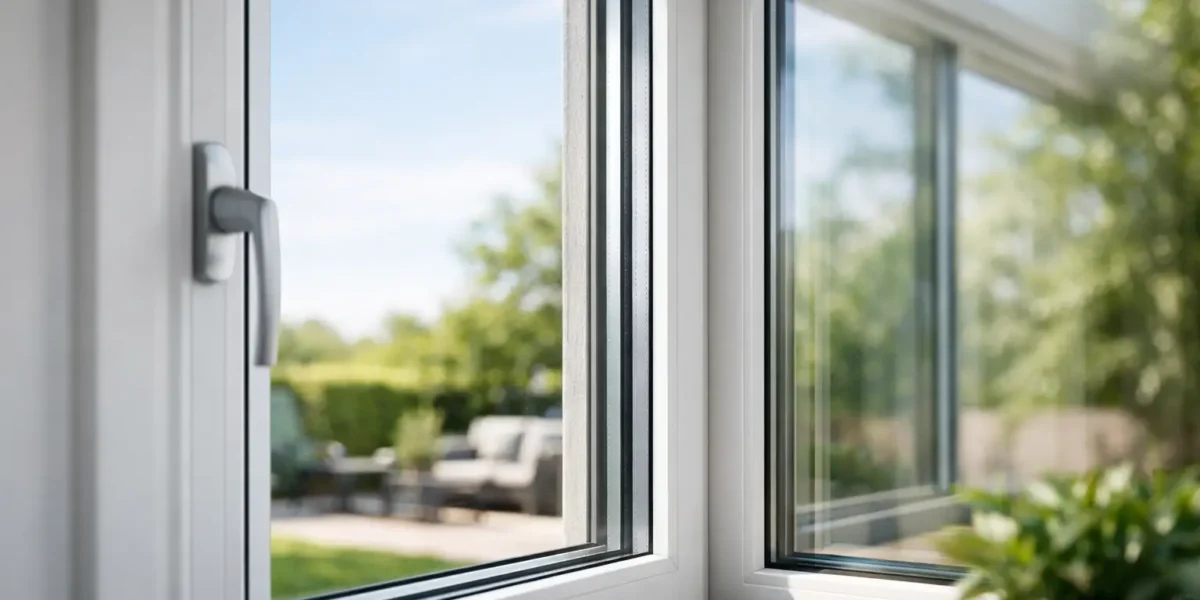
A double glazed window uses two panes of glass separated by a sealed gap. That gap is usually filled with air or an insulating gas, such as argon, which slows the transfer of heat through the unit. The glass unit is then installed into a frame, commonly uPVC, aluminum, timber, or a composite-style material.
The basic idea is simple: heat from your home has a harder time escaping in winter, while unwanted heat has a harder time entering during warmer weather. The inner pane also stays warmer than single glass, which can reduce the surface condensation often seen on older windows.
The sealed gap is essential. If the seal fails, moisture can enter between the panes and create a cloudy or misted appearance. This cannot normally be wiped away because it is inside the glass unit. In some cases, the sealed unit can be replaced without changing the entire frame, provided the frame remains sound and compatible.
Why Double Glazing Makes a Difference
For most homeowners, the biggest benefit is comfort. A properly fitted double glazed window reduces cold spots near the glass and makes rooms easier to heat evenly. You may find yourself relying less on the thermostat simply because the room no longer feels chilly around the edges.
Energy efficiency matters, but it should be viewed realistically. New windows can reduce heat loss, especially where single glazing, failed seals, damaged frames, or poorly fitting opening sashes are present. However, savings depend on the size of the property, insulation levels, heating habits, and the condition of the rest of the building fabric. Windows are a powerful part of the picture, not a magic fix for an uninsulated home.
Noise reduction is another popular reason to upgrade. Two panes of glass can help soften outside noise, but standard double glazing will not block every sound. If your property is near a busy Manchester road, rail line, school, or late-night venue, ask about acoustic glass and asymmetric pane thicknesses. These options can perform better against certain frequencies than two identical panes.
Security is equally valuable. Modern units can be paired with internal beading, toughened or laminated glass where appropriate, multi-point locks, reinforced frames, and secure handles. A window is only as secure as its weakest component, so the glass, hardware, locks, and installation all need to work together.
Choosing the Right Double Glazed Window Style
The best style depends on how you use the room, the character of the property, and how much ventilation you need. Casement windows remain a popular choice because they are versatile, easy to operate, and available in many configurations. They can suit everything from contemporary extensions to traditional family homes.
Tilt-and-turn windows are useful where easy cleaning and flexible ventilation are priorities. They can tilt inward at the top for controlled airflow or open inward like a door. Sliding sash windows offer a more traditional look and can be a strong option for period-style properties, while bay and bow windows add light and visual presence to the front of a home.
Frame color also deserves more thought than many people give it. White uPVC remains practical and cost-effective, but anthracite gray, black, wood-effect finishes, and custom colors can completely change a property’s appearance. Darker shades can look sharp and modern, while wood-grain effects can preserve a more classic feel without the maintenance demands of natural timber.
Glass Options Worth Asking About
The glass specification has a major effect on performance. Low-emissivity, or Low-E, glass has a transparent coating designed to reflect warmth back into the room. It is commonly used in energy-efficient units and can improve thermal performance without changing the appearance of the window.
Toughened safety glass is designed to break into small, less hazardous pieces and is often needed in locations where people could fall against the glass. Laminated glass contains an internal interlayer that helps hold the pane together if broken, making it useful for security and some noise-control applications.
Obscure glass provides privacy for bathrooms, entrance halls, and overlooked side windows. Decorative glazing, leaded designs, and patterned options can add personality without sacrificing the practical benefits of a modern sealed unit.
Understanding Energy Ratings and U-Values
When comparing windows, you may come across energy ratings and U-values. Both are useful, but they describe performance differently.
A U-value measures how readily heat passes through a material or product. Lower is better because less heat is being lost. Be sure to ask whether a quoted U-value refers to the center of the glass only or the complete window. The whole-window figure is more meaningful because it includes the frame, spacers, seals, and glass.
Window energy ratings consider heat loss, air leakage, and useful solar gain. A higher rating generally indicates stronger overall energy performance. The right choice still depends on the property. A south-facing room may benefit from different glazing considerations than a shaded north-facing bedroom, particularly if overheating is already a concern.
Signs Your Windows Need Attention
Not every problem calls for full replacement. A loose handle, damaged hinge, worn gasket, stiff lock, or failed glass unit may be repairable. Repair can be the cost-conscious answer when the frames are structurally sound and the issue is isolated.
Replacement becomes more likely when there is widespread frame damage, persistent drafts, repeated locking issues, visible warping, extensive water ingress, or multiple failed units. Timber frames with localized decay may sometimes be restored, while severely deteriorated frames may no longer provide a reliable base for new glass and hardware.
Watch for these common warning signs:
- Condensation or fogging trapped between glass panes
- Cold air entering around closed windows
- Difficulty opening, closing, or locking the sash
- Cracked glass, worn seals, or water marks around the frame
- Noticeable outside noise or rooms that remain cold despite heating
A professional inspection can separate a repairable fault from a window that has reached the end of its working life. That distinction can save money and prevent unnecessary disruption.
Installation Is Part of the Product
Even high-quality double glazing will disappoint if it is poorly installed. Accurate measuring, suitable fixings, careful leveling, proper sealing, and neat finishing all affect performance. Gaps around the frame can create drafts, allow water penetration, and undermine the energy benefits you expected.
The installer should also consider drainage, ventilation requirements, opening direction, fire escape needs, and the condition of surrounding brickwork or render. For commercial properties and rental homes, durability, security, and easy operation may be just as important as visual impact.
After installation, test every opener and lock before the team leaves. Check that the windows close smoothly, handles operate cleanly, keys work correctly, and exterior seals look tidy. Keep any product and guarantee paperwork somewhere safe, particularly if you may sell or let the property later.
Getting the Best Value From Your Upgrade
The cheapest quote is not always the lowest-cost choice over time. A lower initial price may exclude stronger locking hardware, better glass, repairs to surrounding areas, or a finish that actually suits your property. On the other hand, the most expensive specification is not automatically necessary for every room.
Start with your real priorities. If the front of your home faces a busy street, put noise control and security near the top of the list. If you are replacing windows in a shaded rear bedroom, thermal performance and ventilation may matter most. For a rental property, durable frames, dependable locks, and easy maintenance can be the smart focus.
Bee Manchester can help property owners weigh those choices with a tailored approach, from replacement glazing and secure hardware to complete window installations. A well-planned window upgrade should leave your home feeling more comfortable every time the weather turns, while giving the outside of the property a finish worth looking at.