

-
On August 13, 2026
How to Fix Draughty Windows and Keep Heat In
A cold stream of air around a window is more than an annoyance when the weather turns. It can make one room feel impossible to heat, increase energy bills, encourage condensation, and leave you wondering whether the whole window needs replacing. Knowing how to fix draughty windows starts with finding exactly where that air is getting in.
The good news is that many drafts come from worn seals, loose hardware, or gaps around the frame – all issues that can often be repaired. The key is not to cover up a bigger problem with a temporary fix. A well-fitted window should feel secure, close evenly, and keep the elements where they belong: outside.
Find the Source of the Draft First
Before buying any materials, check whether the air is coming through the opening part of the window, the glass, or the gap between the frame and the wall. On a breezy day, slowly run your hand around the inside edge of the sash and frame. You may feel cold air near a corner, hinge, handle, or sill.
A thin piece of tissue can also help. Hold it near the suspected area with the window shut. If it moves noticeably, there is likely an air leak. Look for daylight around the frame as well, particularly in older properties or windows that have shifted slightly over time.
Do not overlook the window itself. A draft that seems to come from the frame may actually be cold radiating from failed double glazing. If you see mist, droplets, or a cloudy appearance trapped between panes, the sealed glass unit has failed. That is a different repair from replacing a weather seal.
How to Fix Draughty Windows With Worn Seals
Rubber weather seals are designed to compress when a window closes, creating a tight barrier against air and rain. Over the years, they can flatten, crack, shrink, or pull away from the corners. This is one of the most common causes of drafts around uPVC windows.
Start by cleaning the frame and seal with warm, soapy water, then dry it thoroughly. Dirt and paint residue can stop the seal from sitting correctly. Inspect the gasket all the way around. If it is brittle, split, loose, or visibly flattened, it should be replaced rather than stretched back into place.
Replacement seals must match the profile of the existing frame. There is no universal option that works perfectly across every window system, so using the wrong gasket can create another gap or make the window difficult to close. A window repair specialist can identify the correct seal and fit it neatly, including the corners where leaks often begin.
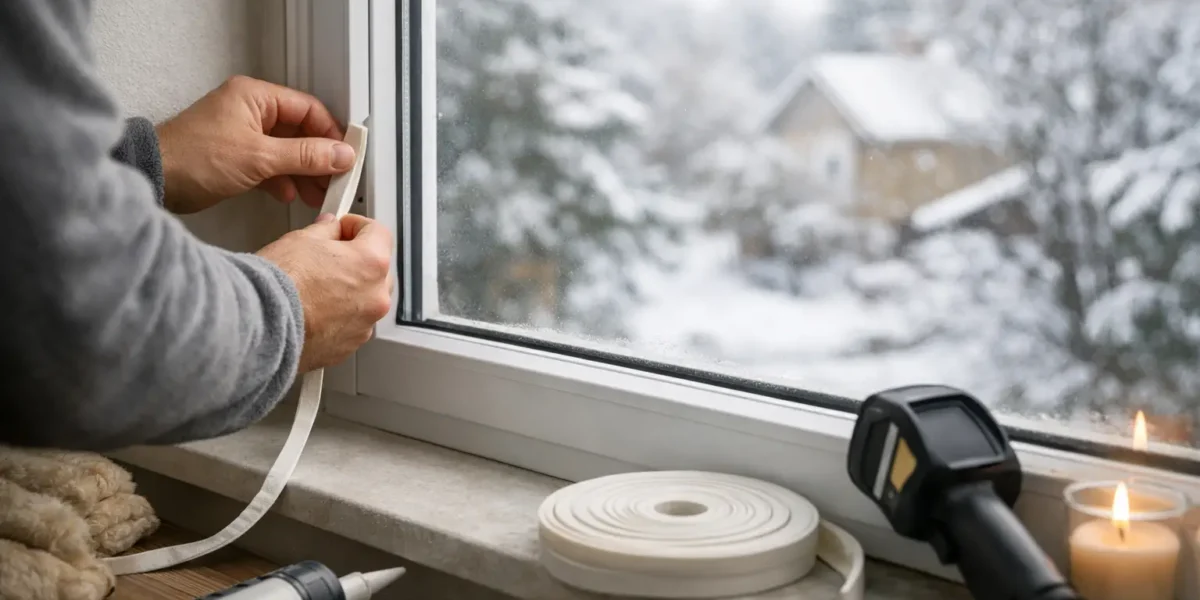
Self-adhesive foam weatherstripping can provide a short-term improvement for small gaps on older windows. It is inexpensive and simple to apply, but it is not a long-lasting substitute for a correctly fitted gasket. Foam can compress quickly and may affect how smoothly the window shuts.
Check Handles, Hinges, and Window Alignment
If your window looks shut but still lets in air, it may not be pulling tightly against the seals. This is especially common with casement windows that have dropped on their hinges or have worn locking components.
Open the window and inspect the hinges for corrosion, damage, or excessive movement. Then close it slowly and look at the gap around the sash. An uneven gap, or a window that catches on one side, suggests it needs adjustment. A loose handle may also fail to engage the locking points fully, leaving the sash slightly away from the frame.
Some modern uPVC windows have adjustable hinges or locking cams, but small adjustments can make a major difference. Over-adjusting can cause the sash to bind, damage the hardware, or make the lock difficult to operate. If the window is hard to close, the handle does not turn smoothly, or the hinges are rusted, professional repair is the safer route.
New hinges, handles, and locking mechanisms can often restore a secure, weather-tight fit without the cost of a full window replacement. This also improves security, which matters just as much as warmth. A window that does not close tightly is not doing either job properly.
Seal Gaps Around the Window Frame
Air can also enter between the window frame and the surrounding wall. Check the exterior sealant where the frame meets brickwork, render, siding, or trim. Cracked, missing, or detached caulk gives wind and rain a route behind the frame.
For a narrow, clean gap around an otherwise sound window, remove loose old sealant, clean and dry the surface, then apply an exterior-rated, flexible window and door caulk. Smooth the bead so water runs away from the joint rather than sitting against it. On the interior, small gaps around trim can be sealed with decorator’s caulk for a tidier finish.
Be cautious with expanding foam. It is useful in the right hands during installation, but too much can bow a frame or create a messy, difficult-to-repair finish. Large gaps, crumbling mortar, damp patches, or signs that the frame is moving need a closer inspection. Sealing over water damage only delays the real repair.
When the Glass Is the Problem
Double-glazed windows work by trapping an insulating layer between two panes. When the perimeter seal fails, moisture enters that gap and the window loses much of its insulating performance. You might feel cold near the glass, notice internal fogging, or see a milky film that cannot be wiped away from either side.
In many cases, the frame can stay in place and only the failed glass unit needs replacing. This is often a sensible option when the uPVC frame is solid, the window opens and locks correctly, and there are no wider issues with drafts or damage. You can also use the opportunity to choose improved thermal glass or privacy glass where appropriate.
Single-pane windows have a different set of trade-offs. Secondary glazing or a properly installed storm window can reduce drafts while retaining the original appearance, particularly where a full replacement is not desirable. These options are worth discussing before making changes to character properties.
Know When Repair Is Not Enough
Repairs are usually the smart first step when a specific component has worn out. However, a full replacement may offer better value if the frame is warped, cracked, heavily discolored, leaking repeatedly, or no longer holds the glass securely. Multiple failed units, persistent condensation, and locks that cannot be reliably repaired are also warning signs.
New energy-efficient windows can improve comfort throughout the property, reduce outside noise, and strengthen security. They also give you more choice over frame color, opening style, glazing, handles, and locking systems. The right option depends on the condition of the existing windows, the age of the property, and whether you are solving one draft or a whole-home efficiency problem.
For landlords and small business owners, it is worth acting early. Drafty windows can lead to tenant complaints, damp-related maintenance, higher heating costs, and a poorer impression of the building. Prompt repairs protect both the property and the people using it.
Keep Windows Working Through Every Season
A little maintenance helps prevent drafts from returning. Clean tracks and drainage channels so water can escape, wipe down seals, and check that handles operate without force. Avoid slamming windows, as repeated impact can put pressure on hinges and locking points.
Give each window a quick check before colder weather arrives. Catching a worn gasket or loose hinge early is usually quicker and more affordable than waiting for a cold room, a water leak, or a lock failure. For repairs that need the right parts and precise adjustment, Bee Manchester can help keep your windows secure, efficient, and buzzing with quality.
A comfortable home should not rely on turning the thermostat higher to compensate for escaping heat. Start with the small gap you can feel today, then make the repair that gives your windows a proper, lasting seal.