

-
On September 22, 2026
Why Is My Window Leaking? Causes and Fixes
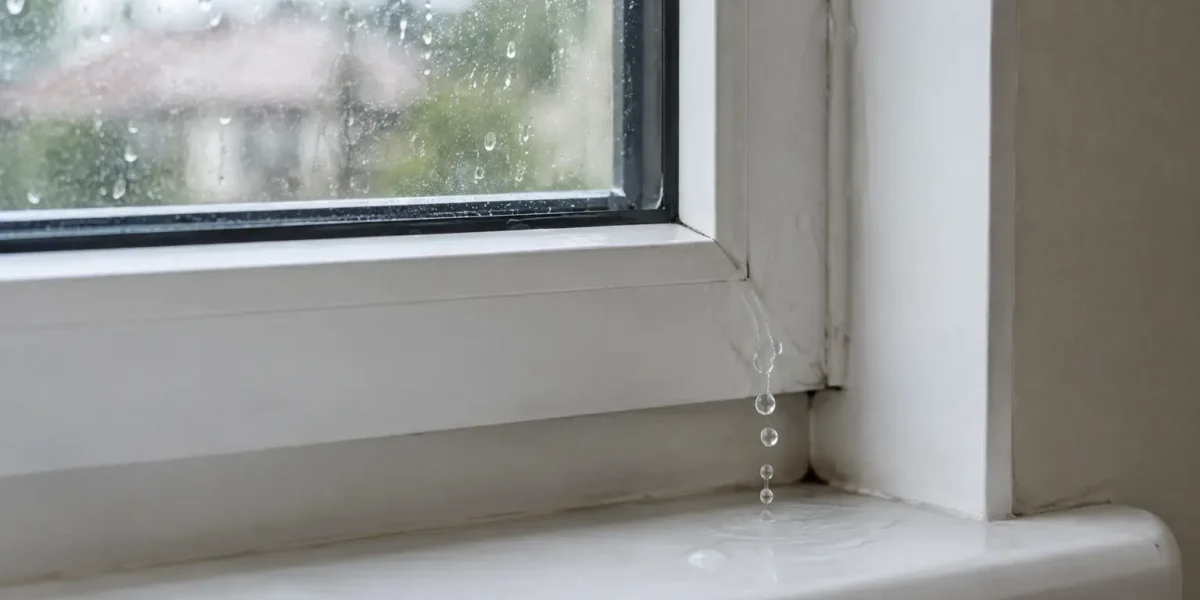
A wet windowsill after a Manchester downpour is more than an annoyance. Water can stain plaster, swell timber trim, encourage mold, and eventually affect the wall around the opening. If you are asking, “why is my window leaking?”, the answer is not always the glass itself. The route water takes can be surprisingly hard to spot, especially in wind-driven rain.
The good news is that many window leaks have a clear cause and a practical repair. Acting early gives you the best chance of protecting your property and avoiding a larger replacement job later.
Why Is My Window Leaking? Start With the Pattern
Before assuming the window has failed, look at when and where the water appears. A leak during heavy, sideways rain usually points to an exterior seal, drainage, flashing, or installation issue. Moisture that appears on the room-facing side of the glass on cold mornings is more likely condensation.
This distinction matters. Condensation is caused by humid indoor air meeting a cold surface. It can leave a sill damp, but it is not rain entering through the window. Improve ventilation, use extractor fans when cooking or showering, and avoid drying laundry indoors where possible. If the moisture is between panes of double glazing, the sealed unit has likely failed and should be replaced, but that is still different from a rainwater leak.
Rainwater often leaves more obvious clues: a damp patch at one corner, peeling paint above the frame, water tracking down the wall, or a drip that occurs only in a particular wind direction. Take photographs while the area is wet and again once it has dried. They can help a window specialist identify the source without guesswork.
Common Causes of a Leaking Window
Failed exterior sealant
The sealant around the outside edge of a window is the first line of defense between the frame and the brickwork. Over time, it can crack, shrink, pull away, or become brittle from sun, frost, and movement in the building. Even a small opening can admit water when rain is driven against the property.
Fresh sealant can be an effective fix if the frame is sound and correctly installed. However, simply applying sealant over wet, loose, or failing material rarely lasts. The old sealant needs to be removed where necessary, the area cleaned and dried, and the correct exterior-grade product applied neatly.
Blocked drainage channels and weep holes
Most modern uPVC window frames are designed to manage a small amount of water. Drainage channels inside the frame guide it toward tiny exterior openings, often called weep holes. Dust, paint, moss, insect nests, and debris can block these outlets, causing water to build up and overflow indoors.
Open the window and inspect the lower frame carefully. You may see narrow slots or small capped openings on the outside. Clear visible debris gently with a soft brush or a plastic tool. Avoid forcing sharp metal objects into the channels, as you could damage the frame or seals. If water continues to pool, a professional inspection is the safer option.
Worn gaskets, hinges, or window hardware
Rubber gaskets create the weather-tight seal between the sash and frame. As they age, they can flatten, split, or lose flexibility. The window may look closed but fail to press evenly against the seal, leaving a gap for rain and drafts.
Misaligned hinges, worn handles, or faulty locking points can create the same problem. This is common with casement windows that have been heavily used or have settled slightly over time. A repair may involve adjustment, replacement hinges, new gaskets, or hardware repairs rather than an entirely new window. That can be a cost-effective result when the glazing and frame remain in good condition.
Cracked glazing or a failed sealed unit
A visible crack in glass requires prompt attention, even if it seems small. It can allow water in, compromise security, and worsen with temperature changes. Double-glazed units can also lose their perimeter seal, leading to misting between the panes and reduced insulation.
A misted unit is not always the source of water on the sill, but it does mean the glazing is no longer performing as it should. Replacing the sealed glass unit can restore clarity and thermal performance without replacing the full frame, provided the frame is in solid condition.
Incorrect installation or poor flashing
Sometimes the leak is not coming through the opening section of the window at all. Water may be entering behind the frame because the original installation lacked suitable sealing, fixing, sill details, or flashing. This is particularly likely when damp appears above or beside the window rather than directly at the sash.
Older properties can add another layer of complexity. Cracked mortar, damaged render, failed pointing, and defects around a stone or brick lintel can channel water toward the window. A proper diagnosis should consider the surrounding wall, not just the frame. Repeatedly sealing the visible gap may hide the symptom while water continues to travel behind it.
What You Can Check Safely Before Booking a Repair
Start indoors. Wipe the area dry, then note exactly where new water appears during rain. Check whether the window closes evenly and whether the handle feels loose or needs unusual force. Look for damaged gasket sections, visible cracks, mold, staining, or soft trim around the opening.
Outside, inspect from ground level if it is safe to do so. Look for obvious gaps in sealant, blocked drainage holes, cracked render, or debris resting on the exterior sill. Do not climb ladders in wet or windy conditions, and do not spray a window with a powerful hose to “test” it. High-pressure water can force its way past otherwise serviceable seals and create a misleading result.
If water is actively entering, place towels at the sill and move furniture, electronics, and curtains away from the affected area. A temporary waterproof tape may reduce a small draft around a frame until a repair can be arranged, but it is not a lasting weatherproofing solution. Avoid applying expanding foam, indoor caulk, or random sealants before the source is known. Those materials can trap moisture or make a professional repair more difficult.
When a Repair Is Enough and When Replacement Makes Sense
A local repair is often the right answer for blocked drainage, a failed gasket, worn hinges, loose hardware, or deteriorated perimeter sealant. These jobs can restore weather resistance, improve how the window operates, and stop drafts without the cost and disruption of a full replacement.
Replacement becomes more sensible when the frame is warped, badly cracked, repeatedly leaking despite competent repairs, or no longer secure. It may also be worth considering if several sealed units have failed, the windows are single-glazed, or you are already seeing substantial heat loss and condensation. New energy-efficient double glazing can improve comfort as well as curb appeal, but the right choice depends on the condition of the existing installation and your longer-term plans for the property.
For landlords and small commercial owners, do not overlook the effect on tenants, stock, and maintenance records. A recurring leak can become a mold complaint or damage claim quickly. Getting the cause assessed early is usually far less disruptive than repairing damp walls later.
Preventing Window Leaks in the Future
A little seasonal attention goes a long way. Keep sills and drainage paths clear, check exterior sealant for cracking, and clean frame channels as part of routine property maintenance. Do not paint over drainage holes or rubber seals. If a window starts sticking, rattling, or refusing to lock cleanly, arrange an adjustment before the weather seal is compromised.
Quality installation also matters as much as quality glass. A well-fitted window should feel secure, close evenly, drain properly, and complement the construction of the surrounding wall. Bee Manchester can assess leaking windows, repair suitable faults, and advise when replacement offers better long-term protection.
Water around a window is your property asking for attention. Deal with the first drip before it turns into damaged finishes, cold rooms, and a repair bill that really stings.