

-
On November 3, 2026
Smart Locks: Are They Right for Your Door?
A spare key under the mat may feel convenient, but it is not much of a security plan. Smart locks offer a more controlled way to manage access to your property, whether you are arriving home with bags in hand, letting in a contractor, or looking after a rental in Manchester. The best results come from choosing a lock that suits the door first, rather than choosing features first.
For homeowners, landlords, and small business owners, connected locking can be a worthwhile upgrade. It can also be the wrong choice when the existing door, cylinder, frame, or multipoint mechanism needs attention. A quality lock is only as dependable as the door it is fitted to.
What Smart Locks Can Do for Your Property
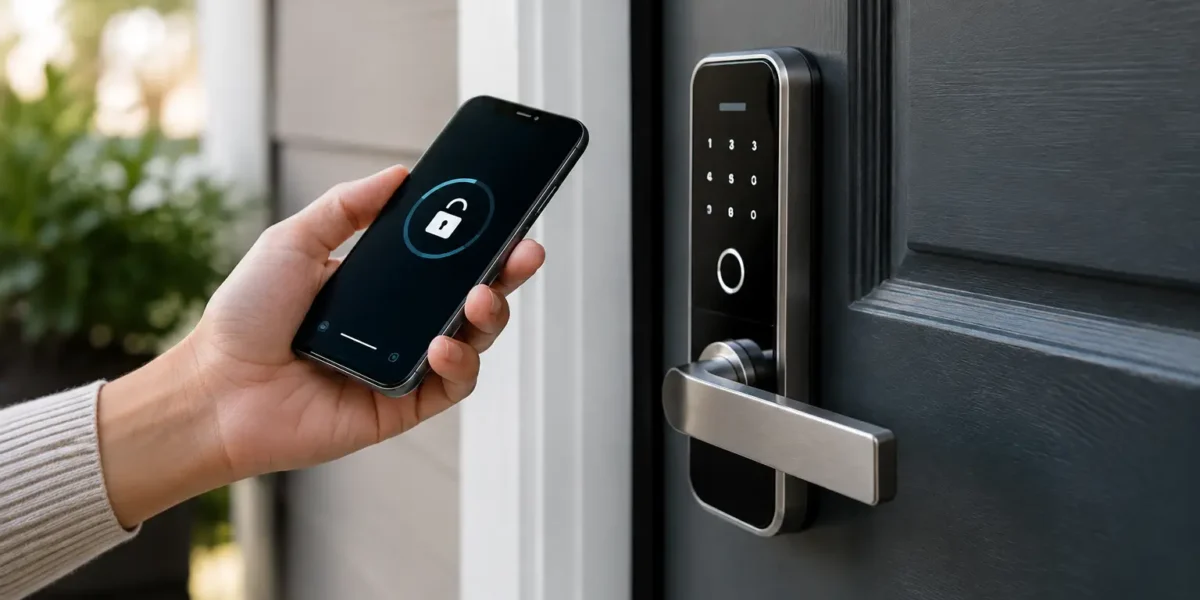
A smart lock replaces or works alongside a conventional key-operated lock, allowing entry through a keypad, phone app, fob, card, fingerprint reader, or a combination of methods. Many still retain a physical key override, which is sensible for peace of mind and practical for shared properties.
The main appeal is control. Instead of cutting and collecting keys, you can issue a temporary code to a cleaner, tradesperson, relative, or guest. When access is no longer needed, remove the code rather than wondering who may still have a copy of the key. Some systems also record when a code was used, which can be useful for landlords and business owners managing several people coming and going.
Convenience should not overshadow security. A smart lock does not automatically make a weak door secure. If a door is warped, loose in its frame, fitted with tired hinges, or using an unsuitable cylinder, the priority is to correct those issues. Strong hardware, accurate alignment, and careful fitting remain the foundations of door security.
Smart Locks Are Not One-Size-Fits-All
The first question is not which app looks best. It is what type of door and locking system you have. A modern composite door, a uPVC front door, a timber door, and an aluminum commercial entrance can all require very different solutions.
Many uPVC and composite doors use a multipoint locking system. Lifting the handle engages locking points along the edge of the door before the cylinder is turned. A compatible smart lock must work with that operation. If the handle must still be lifted manually, the lock should not be presented as fully automatic just because it can be opened from a phone.
Other doors use a traditional deadbolt or night latch arrangement. These may be suitable for retrofit smart locks that fit over the interior thumbturn, leaving the outside appearance and existing key cylinder in place. This can be attractive where preserving the look of the door matters, but compatibility must be checked carefully.
Commercial doors bring further considerations. Frequent use, multiple authorized users, fire safety requirements, emergency egress, and the need for durable hardware can all affect the right specification. A lock that works nicely on a quiet residential side door may not be appropriate for a busy office entrance.
Check the door before selecting the technology
Before committing to a model, assess the door’s condition, thickness, handle type, lock case, cylinder projection, and alignment with the frame. A lock that binds today will place extra strain on any motorized component tomorrow. It may also leave you dealing with intermittent operation at the most inconvenient time.
For older doors, an upgrade may involve more than the lock itself. Replacing a worn cylinder, adjusting hinges, fitting a better handle, or repairing the multipoint mechanism can make the whole entrance safer and smoother to use. This is where professional advice saves wasted spending.
Choosing Features That You Will Actually Use
Smart locking products can offer a long list of functions, but more features are not always better. Think about who uses the door, how often they use it, and what would make their day easier.
A keypad is practical for families, rental guests, and contractors because no app is required. A fob may be a better option for someone who prefers a familiar, simple routine. Phone control can suit owners who want to check lock status remotely or grant access while away. Biometric entry may be convenient, although it should always be supported by a reliable alternative method in case a reader fails to recognize a finger or runs out of power.
Auto-locking can be useful, particularly for a rental or busy household, but it needs sensible settings. A short delay can cause frustration if people regularly step outside to take bins out or collect deliveries. A longer delay may offer a better balance. The right setting depends on how the property is used.
Battery alerts are another feature worth having. Most smart locks run on batteries and give warnings well before they are depleted, but those alerts only help if someone responds to them. Choose a lock with a physical key option or emergency external power method, then make battery checks part of normal property maintenance.
Security Beyond the Phone App
A connected lock has two sides to its security: the physical hardware on the door and the digital account behind it. Both deserve attention.
Start with the physical side. Use a lock and cylinder suited to the door type, and make sure the fitting does not create weaknesses around the handle or cylinder. The frame, keeps, hinges, glass panels, and letter plate may also affect overall security. There is little value in fitting a premium smart lock to a door that can be forced because the frame is loose.
For the digital side, create a unique, strong account password and enable two-factor authentication if the manufacturer offers it. Keep the lock’s firmware and app updated. Remove former tenants, employees, guests, and contractors from the access list promptly. Avoid sharing a single account across a household when individual user access can be set instead.
Wi-Fi, Bluetooth, and hub-based systems each involve trade-offs. Bluetooth can be straightforward and may continue working locally during an internet outage, though remote control may require an additional bridge or hub. Wi-Fi offers remote access without as much extra equipment, but can use battery power faster. A hub-based system can be a strong choice for larger setups, provided the hub is positioned where it has a dependable connection.
When a Conventional Lock May Be Better
Smart locks are not essential for every property. If you want the simplest possible setup, have few visitors, rarely need to grant remote access, and are happy with a well-managed key, a high-quality conventional lock may be the better investment.
They can also be less suitable where users are uncomfortable with apps, codes, or battery maintenance. Technology should reduce friction, not create it. For some households, a durable mechanical lock paired with a key safe for limited emergency access is more appropriate.
Landlords should also consider how tenants will use the system. A connected lock can reduce key handovers and simplify code changes between tenancies, but tenants need clear instructions, a reliable backup entry method, and confidence that their access is private. The system should support the tenancy rather than feel intrusive.
Installation Is Where Reliability Begins
The difference between a smart lock that feels effortless and one that becomes a nuisance is often the installation. Precise alignment matters. The latch or bolts must engage cleanly, the handle must operate without excessive force, and the door should close properly before any electronics are added.
Avoid forcing a motorized lock to compensate for a sticking door. That approach can shorten the life of the mechanism and may leave you locked out when the lock cannot complete its cycle. Correct the door alignment and hardware issue first.
At Bee Manchester, we look at the complete door setup, not just the item fitted to it. That means considering the lock, cylinder, handles, hinges, frame, and the day-to-day use of the property before recommending a solution. For a front door, side entrance, rental unit, or small business premises, that wider view helps ensure your upgrade is buzzing with quality for the long term.
A Sensible Way to Decide
Start by identifying the real problem you want to solve. Is it lost keys, access for contractors, a rental turnover, security concerns, or simply wanting easier entry? Then assess the current condition of the door and lock, decide which users need access, and choose only the features that fit that routine.
A smart lock can be an excellent addition to a secure, well-fitted door. If you are unsure whether your existing hardware is compatible, having the door assessed before you buy gives you a clearer route to a safer, more convenient entrance – and fewer surprises after installation.