

-
On October 26, 2026
Sealing Window Gaps to Stop Drafts and Heat Loss
A cold draft around a window is more than a minor annoyance. It can make a room uncomfortable, push heating bills upward, encourage condensation, and leave a property feeling less secure. Sealing window gaps is often a smart first response, but the right fix depends on where the air is getting in and why the gap appeared in the first place.
For Manchester homeowners, landlords, and business owners, that distinction matters. A worn strip of sealant may be a straightforward repair. A failed glazed unit, warped frame, damaged hinge, or poorly aligned sash needs more than a tube of caulk. Getting the diagnosis right helps your property stay warm, dry, secure, and buzzing with quality for longer.
Why Window Gaps Should Not Be Ignored
Windows are designed to form a tight barrier between the indoors and the weather outside. When that barrier breaks down, heated air escapes in winter and outdoor air enters through the same weak point. Your heating system then has to work harder to maintain a comfortable temperature.
Drafts can also bring moisture problems. Warm indoor air meeting cold glass or a cold frame can create condensation. Over time, that moisture may contribute to peeling paint, mold around reveals, damaged plaster, and deterioration in timber trim. In commercial spaces, it can also make customer-facing rooms and work areas noticeably less comfortable.
Security is another consideration. A loose opening section, damaged locking point, or frame that has shifted out of alignment should never be treated as a cosmetic issue. Sealing can improve comfort, but it must not conceal a fault that affects how the window closes or locks.
Find the Source Before Sealing Window Gaps
The best repairs start with a simple inspection on a cool or windy day. Run your hand slowly around the edge of the opening sash, where the frame meets the wall, and around the glass. A noticeable cold spot can help narrow down the source. You may also see cracked sealant, flattened rubber gaskets, staining, or a visible line of daylight.
There are several common places gaps develop:
- Between the window frame and the wall: Exterior sealant can crack or pull away as a building moves naturally over time.
- Around the opening sash: Compression seals and weatherstripping can become brittle, flattened, or displaced.
- At the glass edge: Perished gaskets can leave small air paths and reduce the neat finish around a glazed unit.
- At joints, handles, hinges, and locks: Wear or poor alignment may stop the sash from pulling tightly against its seals.
Do not assume every gap is visible from indoors. Check the outside of the property as well, but only where it is safe to do so. Upper-floor windows, loose units, and areas near damaged masonry are best assessed by a qualified window professional.
When Caulk and Weatherstripping Are the Right Fix
A narrow, stable gap between the frame and surrounding wall can often be resealed successfully. Exterior-grade window sealant is made to remain flexible as materials expand and contract, making it a better choice than ordinary interior filler. The old loose sealant should be removed, the surface cleaned and dried, and the new bead applied continuously without blocking drainage paths.
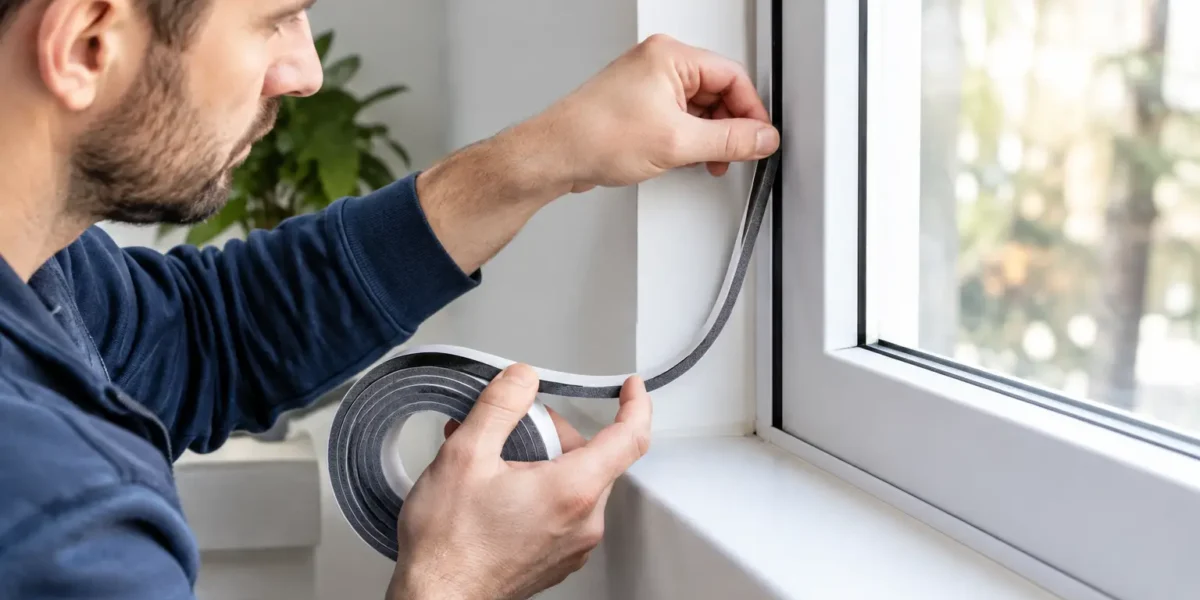
For a draft around an opening uPVC or timber sash, weatherstripping may be the more appropriate answer. Adhesive foam tape can offer a temporary improvement, but it does not always last through repeated opening, rain, and temperature changes. Purpose-made rubber seals are generally more durable when they are compatible with the window profile.
The key trade-off is simple: quick DIY products can help with a small, accessible issue, but they cannot correct movement, failed hardware, or a distorted frame. Adding thick tape where a sash already struggles to close can even place extra strain on hinges and locks.
Do Not Seal the Parts That Need to Drain
Modern windows often include drainage channels, sometimes called weep holes, at the bottom of the frame. These allow any rainwater that reaches the outer chamber of the window to escape safely. Blocking them with sealant, foam, or paint can trap water inside the frame and cause bigger problems later.
Likewise, avoid sealing over trickle vents. These vents are designed to provide controlled background ventilation, which helps manage moisture and indoor air quality. If a room feels cold because of a vent, the answer may be adjustment, a different ventilation approach, or improving the window seal elsewhere – not permanently closing a feature the window needs to perform properly.
This is where experience pays off. A neat-looking line of sealant is not necessarily a good repair if it prevents the window from draining or ventilating as intended.
Signs the Problem Is More Than a Surface Gap
Sometimes a draft points to a repair or replacement need rather than a sealing job. If you can hear wind whistling around a closed window, if the sash moves in the frame, or if the handle needs force to lock, the unit should be inspected. Hinges may be worn, keeps may need adjustment, or the sash may have dropped slightly over time.
Fogging or moisture between panes is a different issue again. It usually indicates a failed seal within a double-glazed unit. Exterior caulk will not remove that condensation or restore the insulating gas between the panes. Replacing the glazed unit can often solve the issue without replacing the entire frame, depending on its condition.
Cracked frames, rotten timber, severely discolored seals, and repeated water ingress also deserve professional attention. Landlords should act promptly, especially where drafts and damp are affecting tenant comfort or where a faulty window cannot be locked securely.
A Better Long-Term Approach to Drafty Windows
The most effective solution is usually a combination of sound sealing, correctly adjusted hardware, and glazing that is in good condition. A professional inspection can identify whether the frame-to-wall perimeter needs resealing, whether new gaskets are required, or whether hinges and locking components are preventing a proper closure.
For older windows, it is worth weighing repair against replacement. Repair can be excellent value when the frame is sound and the issue is localized. Replacement may make better sense when there are repeated failures, poor thermal performance, extensive frame damage, or a need for upgraded security. New double-glazed windows can also offer improved insulation, smoother operation, and a refreshed appearance in a color and style that suits the property.
Bee Manchester helps property owners look beyond the obvious draft. From window repairs and replacement glass to new uPVC and double-glazed installations, the goal is a tailored fix that improves warmth, security, durability, and curb appeal without paying for work the property does not need.
Small Checks That Help Your Repairs Last
Once a window is properly sealed or repaired, a little upkeep can extend its life. Keep frame drainage areas clear of dirt and leaves, wipe rubber seals clean with a damp cloth, and avoid harsh solvents that can dry out or damage gaskets. Operate handles and locks gently, and address stiffness before it turns into a broken mechanism.
It also helps to check windows after periods of severe weather. Look for fresh cracks in exterior sealant, water marks inside, changes in how the sash closes, or new condensation patterns. Catching a small fault early is usually simpler and less disruptive than waiting for a cold room, damaged finish, or failed lock to force the issue.
A window should close with a firm, even seal, lock without a struggle, and keep the weather where it belongs. If yours does not, treat that draft as useful information: it is your property telling you where it needs attention.