

-
On October 22, 2026
Manchester Shopfront Glazing That Works Harder
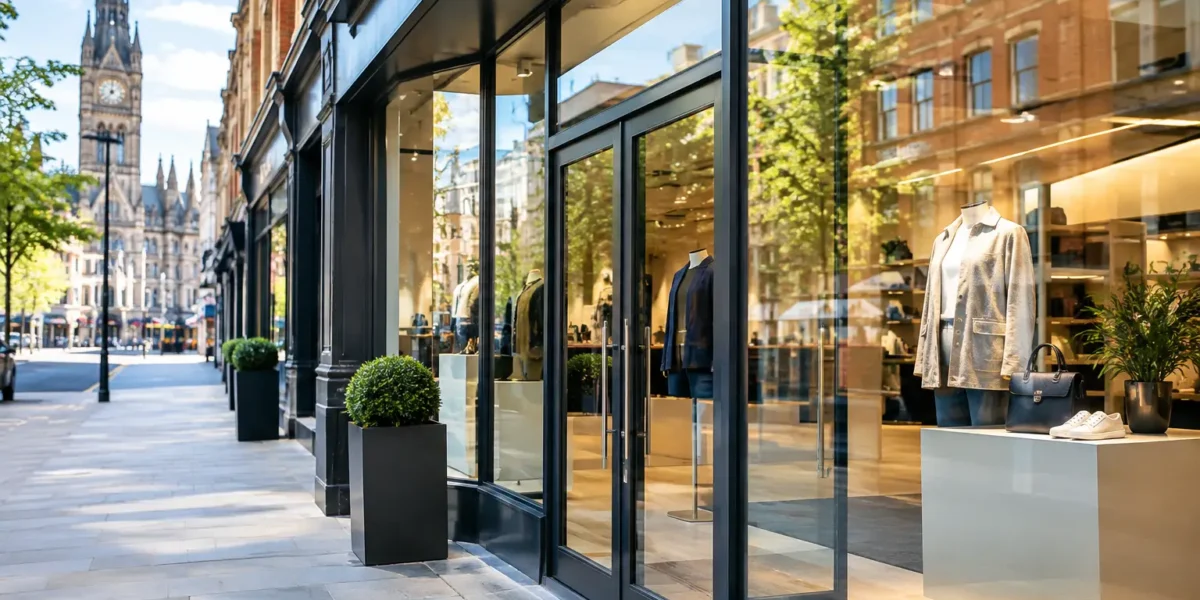
A cracked pane, fogged double glazing unit, or tired-looking frontage can make customers question a business before they have even stepped through the door. Manchester shopfront glazing is not simply a finishing detail. It affects how visible, secure, comfortable, and credible your premises feel from the street.
For independent retailers, landlords, salons, cafes, offices, and other small commercial properties, the right glazing needs to earn its place. It should show off what is inside, stand up to daily use, help control heat loss, and offer a sensible level of protection when the shutters come down. Get the balance right and your frontage can be buzzing with quality without becoming difficult or expensive to maintain.
Why shopfront glazing deserves careful planning
A shopfront has more jobs to do than a residential window. It may need to carry branding, display merchandise, cope with frequent cleaning, resist accidental knocks, and maintain a clear view through changing Manchester weather. It also sits at one of the most vulnerable points of a commercial property.
That is why the cheapest replacement is not always the best value. Thin or unsuitable glass can leave a business exposed to damage, drafts, condensation, and recurring repair bills. A well-specified unit can improve day-to-day comfort for staff and customers while giving the building a sharper, more professional appearance.
The best choice depends on your property, trading hours, street location, and the kind of experience you want visitors to have. A street-facing boutique may prioritize clear, low-reflection glazing for displays. A ground-floor office may place more weight on privacy and solar control. A busy takeaway may need durable glass that can handle constant traffic and regular cleaning.
Choosing the right glass for your frontage
There is no one glass specification that suits every Manchester business. The key is matching the glass to the realistic risks and needs of the site rather than paying for features that will not make a useful difference.
Toughened safety glass
Toughened glass is heat-treated to make it stronger than standard annealed glass. If it does break, it is designed to crumble into small, less hazardous pieces rather than large sharp shards. It is a popular option for shop doors, full-height panels, and areas where customers may be close to the glazing.
It offers practical strength, but it is not the same as security glass. A toughened pane can still break under a determined impact. Where forced entry is a concern, a laminated option may be more suitable.
Laminated security glass
Laminated glass has an interlayer that helps hold the pane together after impact. Even when cracked, it is harder to create a clear opening through it. This can delay an intruder, reduce the risk of glass falling inward, and give a business greater peace of mind.
For premises with valuable stock on display or a location that is more exposed after hours, laminated glazing is often worth discussing. The trade-off is that it can cost more and may be heavier, so the existing frame and fittings must be assessed properly.
Double glazed units for comfort and efficiency
A double glazed shopfront uses two panes separated by a sealed gap. This construction can reduce heat transfer compared with single glazing, making a reception area, retail floor, or workspace more comfortable during colder months. It can also help reduce external noise, although results depend on the full specification and installation quality.
Double glazing is particularly useful where staff spend long hours near the frontage or where heating bills are a persistent concern. It will not solve every draft issue on its own, though. Worn door seals, damaged frames, and poor fitting can undermine the benefits of good glass.
Privacy, solar, and decorative options
Clear glass remains a strong choice when your display is your main sales tool. But clear glass is not always right for every panel. Frosted or obscured glazing can protect privacy in treatment rooms, offices, or back-of-house areas while still allowing daylight through.
Tinted, coated, or solar-control glass may be useful on a south-facing elevation where glare and summer heat affect customer comfort. Decorative films and manifestations can reinforce branding or help make full-height glass more visible. The important point is to preserve enough natural light and sightlines for your business. A dark frontage can feel closed, even when it is open.
Manchester shopfront glazing and security work together
Glass is only one part of a secure frontage. The frame, door, hinges, handles, locks, and any shutter system need to work as a complete setup. Strong laminated glass in a weak frame leaves a gap in the defense. Equally, a high-quality lock cannot compensate for a damaged door closer or loose hardware.
When planning a replacement or repair, inspect the whole entrance. Look for movement in the frame, failing seals, cloudy units, chips around the edges of glass, stiff locks, and doors that do not close squarely. These can be early signs that the shopfront needs attention before a small issue becomes an urgent callout.
For landlords, this approach also helps protect the condition and appeal of the commercial unit between tenancies. A clean, secure frontage is easier to market and gives a prospective tenant confidence that the building has been maintained properly.
Frame choice changes the finished result
Glazing performs best when it is paired with a suitable frame. Aluminum is widely used for commercial shopfronts because it can create slim sightlines, supports large glazed areas, and comes in a broad choice of finishes. It works especially well for modern retail and office frontages where a crisp, contemporary look matters.
uPVC can be a practical choice for certain smaller commercial settings, particularly where thermal performance and value are the priorities. Timber may suit a period property or a business with a more traditional identity, but it requires more ongoing care. The right material depends on the building style, the size of the opening, planning considerations, and how much maintenance you are willing to take on.
Color matters too. A frame finish should complement your signage and interior rather than compete with it. Black, anthracite, bronze, white, and custom colors can each create a very different impression from the pavement. Ask to see realistic samples in daylight before making a final decision.
Signs your existing shopfront needs attention
Some glazing failures are obvious, such as shattered glass after an impact. Others develop slowly and are easy to overlook while you focus on running the business. Condensation trapped between panes, a milky appearance, cold spots near the frontage, rattling glass, or visible gaps around seals all warrant a closer look.
Do not ignore a door that scrapes, sticks, or will not latch reliably. It may be a simple adjustment, but it can also put strain on glazing beads, hinges, locks, and the frame. Prompt repairs often cost less than waiting for a component to fail completely.
If the shopfront has been damaged, securing the opening quickly is the immediate priority. After that, take the opportunity to assess whether the replacement should simply match the old unit or improve security, insulation, and appearance at the same time.
Installation quality is where value is protected
Even premium glass can disappoint if it is measured incorrectly or installed without care. Accurate surveying is essential, particularly in older Manchester properties where openings are rarely perfectly square. The installer should consider glass thickness, panel weight, drainage, sealing, frame condition, door operation, and how the new work integrates with existing locks and hardware.
A neat finish is not just cosmetic. Proper seals help keep water and drafts out, while correctly fitted glazing reduces movement and protects the edges of the glass. For a customer-facing premises, it also prevents the untidy gaps, visible silicone, and uneven lines that can make an otherwise smart refurbishment look rushed.
Bee Manchester can help commercial property owners weigh up glazing, frame, door, and locking options as one practical project. That means the finished frontage can be designed around how your business actually operates, not just what happens to fit the opening.
Make the frontage work for your business
Before choosing Manchester shopfront glazing, stand across the street and look at the building as a customer would. Is the entrance easy to find? Can people see what you offer? Does the glass look clean, secure, and well cared for? Is the interior comfortable near the windows?
The right answer may be a targeted repair, a replacement double glazed unit, upgraded security glass, or a complete new shopfront. A careful assessment gives you a clearer route forward and helps ensure your premises welcome the right attention for all the right reasons.