

-
On July 18, 2026
uPVC Windows vs Aluminium: Which Is Better?
A replacement window has to do much more than fill an opening in the wall. It needs to keep heat where it belongs, shut out street noise, support secure locking, and suit the character of your property. That is why the question of uPVC windows vs aluminium deserves more than a quick look at price tags.
For many Manchester homeowners, landlords, and business owners, both materials can be an excellent choice. The better option depends on the size and style of the window, the age of the building, your budget, and what you expect from it over the next 20 years or more. Here is how the two stack up where it matters.
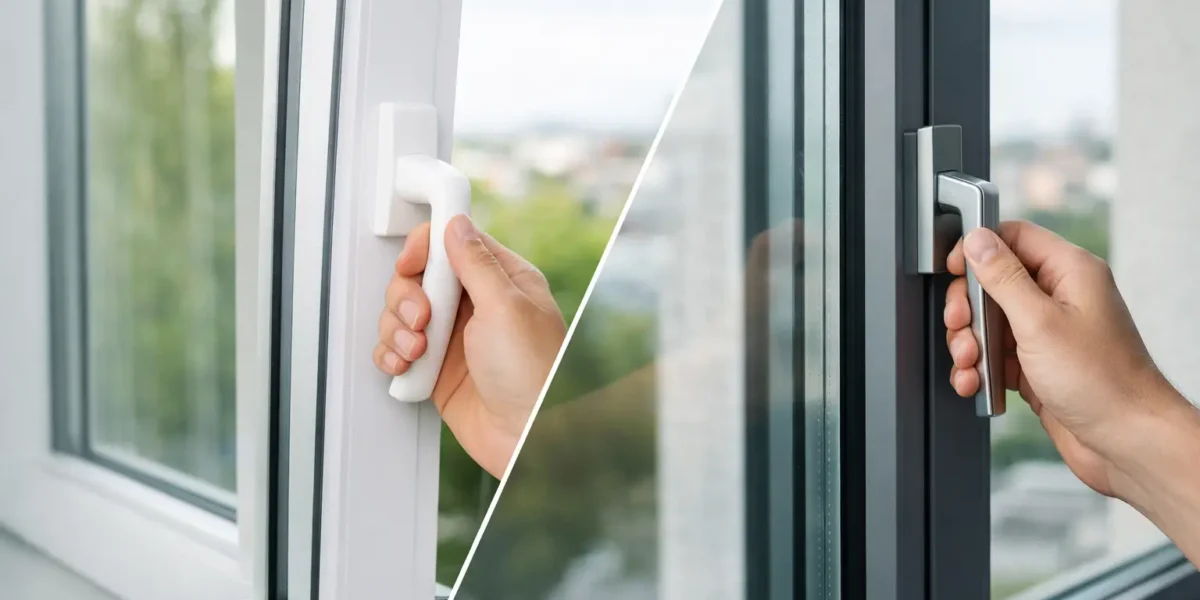
uPVC Windows vs Aluminium: The Main Difference
uPVC is a tough, insulated plastic material that has become a familiar choice for replacement windows across the UK. It is cost-effective, low-maintenance, and available in a wide choice of frame styles and finishes. Modern uPVC is a far cry from the bulky white frames people may remember from decades ago. Slimmer profiles, wood-effect finishes, and carefully matched colors can suit everything from a traditional terrace to a newer family home.
Aluminium is a lightweight metal known for its strength. Because the material is so strong, it can support larger panes of glass with narrower frames. This gives aluminium windows a crisp, contemporary appearance and can bring noticeably more daylight into rooms with wide openings.
Neither material wins in every setting. uPVC often delivers the strongest value for standard residential replacements, while aluminium is particularly attractive for large-format glazing, modern architecture, and properties where slender sightlines are a priority.
Energy Efficiency and Warmth
In a city with cold, wet winters and plenty of grey days, thermal performance is one of the first things to consider. A window frame is only one part of the system, but it has a major effect on how well the whole unit retains heat.
uPVC is naturally insulating. Its multi-chambered frame design creates pockets that help slow heat transfer, and when paired with quality double glazing, it can achieve very efficient results. For a homeowner replacing older single-glazed units or tired double glazing, new uPVC windows can make rooms feel less drafty and help reduce the strain on heating systems.
Aluminium conducts heat more readily than uPVC. However, quality modern aluminium windows use a thermal break: an insulating barrier within the frame that separates the interior and exterior sections. This significantly improves thermal performance and means well-made aluminium units can meet demanding energy standards.
The key is not to compare frame materials in isolation. Ask about the complete specification, including the glazing, spacer bars, seals, installation method, and window energy rating. A poorly fitted high-spec window will never perform as it should. Precise installation is where the real buzz begins.
Which Is More Secure?
Both uPVC and aluminium windows can provide excellent security when they are properly manufactured and fitted with quality hardware. The frame material alone does not determine whether a window is secure.
uPVC frames are commonly reinforced internally and can accommodate multipoint locking systems, secure handles, and toughened or laminated glazing where needed. They are a practical option for ground-floor windows, rental properties, and everyday family homes where reliable security and easy operation matter most.
Aluminium has impressive inherent strength and resists flexing, even with broad or tall window designs. That makes it a natural candidate for large openings, commercial premises, and contemporary homes with expansive glazing. As with uPVC, secure locks, hinges, handles, and professional fitting are essential. A strong frame is only as good as the hardware securing it.
If an existing window feels loose, will not lock properly, or has damaged hinges or handles, do not assume the full unit must be replaced immediately. In some cases, a targeted window or lock repair can restore security and extend its service life.
Style, Sightlines, and Curb Appeal
This is where aluminium has a clear visual advantage for some projects. Its strength allows for slimmer frame sections, so there is less material around the glass. That can create a refined, architectural look that works especially well in extensions, upper-floor apartments, converted industrial spaces, and modern commercial units.
Aluminium is also available in a broad range of powder-coated colors. Dark grey, black, and bronze finishes remain popular because they frame the view sharply and pair well with brick, render, stone, and timber cladding. The finish is durable and designed to hold its appearance with minimal upkeep.
uPVC offers more design flexibility than it is often given credit for. Alongside white, there are anthracite grey, black, cream, and realistic timber-effect finishes. Flush sash uPVC windows can be particularly effective in period-style properties, offering a more traditional appearance without the maintenance demands of painted wood.
For a home where the windows are a prominent design feature, it is worth viewing samples alongside your brickwork, render, doors, and roofline. The right frame color should look intentional, not like an afterthought.
Cost: Upfront Price and Long-Term Value
For like-for-like window sizes, uPVC is usually the more affordable choice. That makes it a sensible route for whole-house replacement projects, landlords upgrading several units, or homeowners who want a meaningful improvement in warmth, security, and appearance without stretching the budget too far.
Aluminium generally costs more upfront. The material, manufacturing process, and specialist glazing often carry a higher price. For many standard window openings, the additional expense may not deliver enough practical benefit to justify it.
But price is not the same as value. Aluminium can be worthwhile when the design calls for large glass areas and narrow frames, or when you want a premium finish that suits the building. It is also highly durable and does not rust, swell, or rot. The right decision is the one that fits the opening, the property, and the result you want, rather than simply choosing the cheapest quote.
Maintenance and Everyday Living
Both materials are refreshingly easy to look after compared with timber. Neither needs regular painting or staining. A gentle clean with warm, soapy water and a soft cloth is usually enough to keep frames looking smart. Avoid abrasive pads and harsh solvents, which can damage finishes and seals.
uPVC may show dirt more readily on lighter-colored frames, especially around busy roads or in areas exposed to weather. It can also expand and contract slightly with temperature changes, although a quality frame and careful installation account for this.
Aluminium is exceptionally stable and holds its shape well through changing temperatures. Its powder-coated finish is hard-wearing, making it a strong choice for exposed elevations and busy commercial settings. It is not maintenance-free, though. Drainage channels, seals, hinges, and locks still need occasional checks so the window opens, closes, and drains correctly.
Noise Reduction and Glazing Choices
Manchester traffic, nearby rail lines, lively high streets, and changing weather can all make outside noise a real issue. Both uPVC and aluminium frames can support acoustic glazing, but the glass specification is often more important than the frame material.
For better sound reduction, consider laminated glass or acoustic double glazing with panes of different thicknesses. A good seal around the frame is equally important. Small installation gaps can undermine even the best glass, allowing drafts and noise to creep in.
This is another reason to assess the complete window rather than choosing solely on whether the frame is uPVC or aluminium. A tailored recommendation will consider the location of the room, the type of noise, and whether ventilation requirements affect the design.
When uPVC Is Usually the Better Choice
uPVC is often the best fit for conventional window replacements in houses, flats, and rental properties. It offers dependable insulation, strong security options, low maintenance, and a broad variety of styles at a more accessible price point. If you are replacing multiple windows and want to balance performance with budget, it is difficult to beat.
It is also well suited to homeowners who want wood-look charm without committing to timber upkeep. With the right profile and finish, uPVC can complement traditional Manchester properties while delivering the practical benefits of modern double glazing.
When Aluminium Is Worth Considering
Aluminium comes into its own when design demands more from the frame. Choose it for large windows, picture windows, contemporary extensions, commercial frontages, or spaces where maximizing glass and light is central to the project.
It can also be the right move when you want consistent slim frames across windows, doors, French doors, or folding door systems. The result can feel beautifully coordinated, especially in a modern renovation where every detail is working together.
Before committing, have the opening measured properly and compare complete, like-for-like specifications. Bee Manchester can help make sense of the choices, from frame style and glazing to locks, handles, and the finishing details that make a new installation feel right. The best window is the one that keeps your property warmer, safer, and looking its best long after installation day.