

-
On August 3, 2026
Why Do Windows Mist Up? Causes and Fixes
A clear window can turn cloudy overnight, often just when the temperature drops and the heating goes on. If you have been asking, “why do windows mist up,” the short answer is moisture meets a cold surface. The useful answer is knowing where that moisture is sitting, because condensation on the room side, outside, or between the panes can point to very different solutions.
For Manchester homeowners, landlords, and business owners, misted windows are more than a nuisance. They can obscure the view, encourage mold around frames, make a property feel cold, and sometimes signal that a double-glazed unit is no longer doing its job. Here is how to read the signs and decide whether a few everyday changes, a repair, or replacement glazing is the right next move.
Why Do Windows Mist Up Inside Your Home?
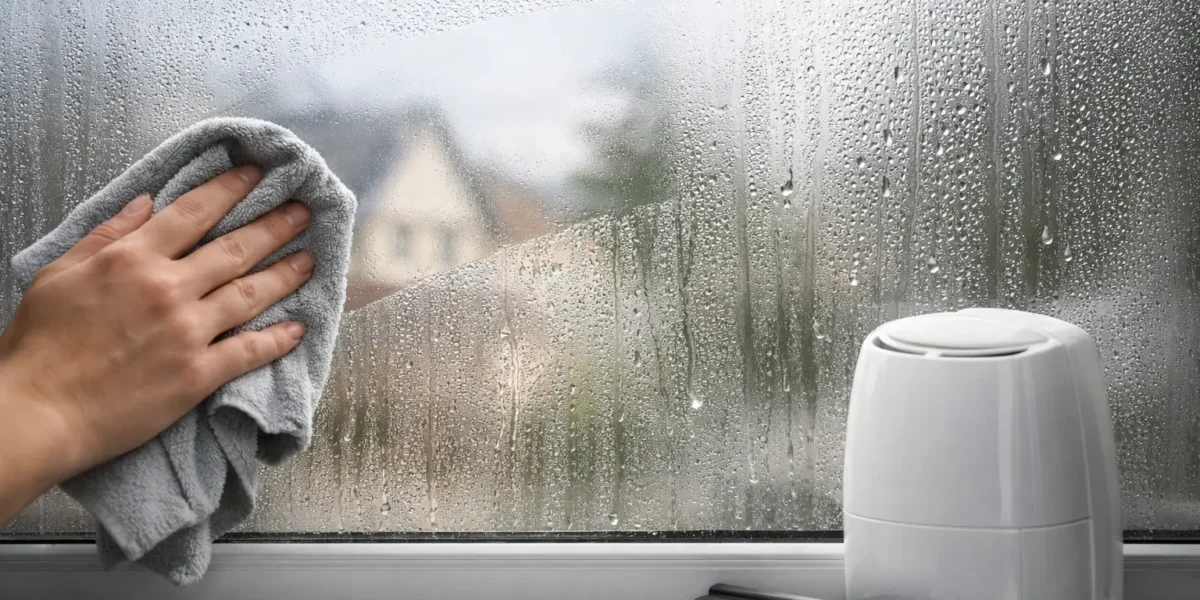
Indoor condensation forms when warm, humid air in a room hits glass that is cooler than the air around it. The air cools at the window surface and can no longer hold as much water vapor, so tiny droplets appear. You may see a light haze in the morning or water running down the pane after cooking, showering, or drying laundry indoors.
Windows are often the first place this shows because glass is typically colder than insulated walls. Older single-pane windows and poorly performing double glazing make the contrast more dramatic, but even modern windows can mist up if the home has high humidity and limited ventilation.
Daily life produces a surprising amount of moisture. Cooking without an extractor fan, long showers, a tumble dryer that is not vented properly, indoor clothes drying, aquariums, and even occupants breathing all add water vapor to the air. A tightly sealed home can retain that moisture, especially through winter when people are less likely to open windows.
Some condensation is normal. A small amount that clears quickly after ventilation improves is usually not a fault. Persistent moisture, puddles on the sill, peeling paint, black spotting, or damp curtains are different. Those signs mean the balance between humidity, ventilation, and window performance needs attention.
Reduce Room-Side Condensation Without Wasting Heat
The goal is not to leave your home cold or keep every window wide open. It is to remove excess moisture while maintaining steady, sensible warmth. A room that is allowed to become very cold overnight will make condensation more likely when warm, humid air returns in the morning.
Use extractor fans during cooking and bathing, then leave them running for a short period afterward. Keep lids on pans where practical, avoid drying large loads of laundry on radiators, and use a vented dryer or dehumidifier if indoor drying is unavoidable. Opening a window slightly for a few minutes after a shower can make a real difference, particularly when combined with an extractor fan.
If your windows have trickle vents, keep them open unless there is a specific reason not to. They provide low-level background airflow without needing to leave the window unlocked or fully open. Make sure furniture, blinds, and heavy curtains are not pressed tightly against the glass, either. Air needs to circulate across the window surface.
A dehumidifier can be a practical option in a persistently damp room, but it should not be used to hide a building problem. If there is a leak, inadequate extraction, a damaged seal, or mold spreading around the window opening, the underlying cause needs fixing.
Misting Between Double-Glazed Panes Means Something Different
Mist, fog, or droplets trapped between the two panes of double glazing are not caused by the humidity in your room alone. They usually mean the edge seal around the insulated glass unit has failed. That seal keeps the gap between the panes dry and contains the insulating gas used in many modern units.
Once it breaks down, moist air can enter the cavity. At first, the fogging may come and go with changes in temperature. Over time, it often becomes more visible, leaving a permanently cloudy appearance or streaks that cannot be wiped away from either side of the glass.
This is a common issue in aging windows, but age is not the only factor. Glass units can fail because of poor installation, frame movement, drained glazing channels that are blocked, impact damage, or repeated exposure to severe weather. It does not automatically mean the entire frame needs replacing.
In many cases, a specialist can replace the sealed glass unit while retaining a sound uPVC, aluminum, or timber frame. This is often a cost-effective way to restore a clearer view and improve insulation without the disruption of a full window replacement. However, if the frame is warped, cracked, insecure, difficult to operate, or badly deteriorated, replacing the whole window may offer better long-term value.
Do Not Rely on Quick Fixes for Failed Sealed Units
You may see products or services claiming to remove mist from inside double glazing by drilling the glass or drying the cavity. Results vary, and these approaches do not always restore the original insulation or guarantee a lasting seal. A properly manufactured replacement sealed unit is generally the more dependable answer when the unit itself has failed.
Ask for the glazing to be measured accurately and fitted with suitable packers, seals, and drainage. Good workmanship matters as much as the glass specification. A high-quality unit can still underperform if it is installed carelessly.
Why Windows Mist Up on the Outside
Condensation on the exterior pane can seem alarming, but it is often a positive sign. It happens when the outside surface of the glass is colder than the outdoor air’s dew point, usually on a cool, still morning after a clear night.
High-performance double glazing keeps warmth inside the property so effectively that the exterior pane stays cool. Moisture in the outdoor air then condenses on that outside surface. Unlike a failed seal, this mist is on the outer face of the window and can be wiped away from outdoors. It should disappear as the day warms up.
There is a trade-off: the same energy-efficient glass that reduces heat loss can occasionally produce exterior condensation. It is generally temporary and not a reason to replace a window that is otherwise performing well.
Check the Window Before Assuming the Glass Is at Fault
If you are seeing recurring condensation indoors, inspect the full window area. Feel for drafts around opening sashes, look for damaged gaskets, and check whether the window closes and locks securely. A poorly adjusted hinge or worn handle can prevent a tight seal, allowing cold air in and making the inner pane colder.
Also check the sill and frame for blocked drainage holes, staining, cracking, or water collecting in channels. On opening windows, drainage paths are designed to move rainwater safely outside. Blocking them can create avoidable issues around the frame and glazing.
For landlords and commercial property owners, regular checks are especially worthwhile. A misted unit may affect tenant comfort, reduce the appearance of a storefront or office, and become a larger maintenance job if damp is ignored. Addressing one failed unit early is usually simpler than waiting for surrounding seals, finishes, or hardware to deteriorate.
When Repair Is Enough and When Replacement Makes Sense
The right option depends on what has failed. If condensation is on the room side and the window is sound, improving ventilation and controlling humidity may be all that is needed. If the mist is between the panes but the frame, locks, handles, and hinges are in good condition, replacement glazing is often a smart repair.
Full replacement deserves consideration when several units have failed, the frames are damaged, security is weak, or the existing windows are old and inefficient. New uPVC double-glazed windows can improve thermal comfort, reduce outside noise, strengthen security, and refresh the look of the property at the same time.
For properties with character requirements or a specific design scheme, replacement does not have to mean a one-size-fits-all result. Frame styles, glass choices, colors, hardware, and security features can be selected to suit the building while delivering practical gains. That is where tailored advice pays off: the cheapest immediate fix is not always the best value over the life of the window.
At Bee Manchester, a clear assessment starts with identifying exactly where the mist is forming and checking the condition of the glazing, frame, and hardware. That helps avoid replacing more than necessary while making sure a repair will genuinely last.
Keep the View Clear and the Home Comfortable
Wipe away indoor condensation when you see it, especially from sills and frame corners, rather than letting water sit there day after day. Then watch the pattern for a week. If it improves with better extraction and airflow, humidity was likely the main issue. If cloudiness remains trapped between panes or the window is drafty, stiff, damaged, or insecure, arrange a professional inspection.
Clear glass is nice, but the bigger prize is a home or business that feels warmer, drier, safer, and ready for whatever the weather brings. A well-fitted window should be buzzing with quality long after the morning mist has gone.