

-
On August 15, 2026
Double Glazing vs Triple: Which Is Best?
A cold spot beside the sofa, traffic noise that cuts through a quiet evening, or condensation gathering on the glass can make windows impossible to ignore. In the double glazing vs triple glazing decision, the best choice is not automatically the unit with more panes. It is the window that suits your property, budget, rooms, and priorities – then gets fitted properly.
For Manchester homeowners, landlords, and business owners, both options can be a serious upgrade from older single-pane windows or tired sealed units. The difference lies in how far you want to push comfort, energy performance, and noise reduction, and whether the additional cost of triple glazing will deliver a return you can feel.
Double Glazing vs Triple Glazing: The Key Difference
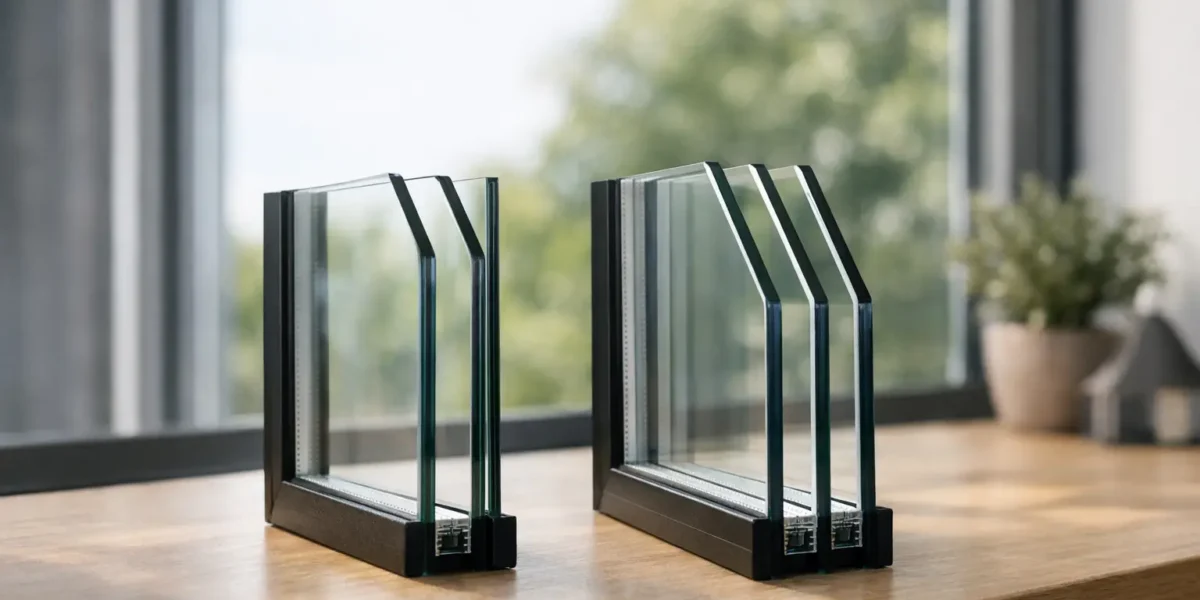
Double glazing uses two panes of glass separated by a sealed gap, usually filled with air or an insulating gas such as argon. Triple glazing adds a third pane and a second sealed gap. That extra layer slows the transfer of heat, helping indoor rooms hold onto warmth for longer when the weather turns cold.
The performance of a window is commonly measured by its U-value. A lower U-value means less heat passes through the window. As a general rule, a well-specified triple-glazed window can achieve a lower U-value than a comparable double-glazed window. But glass count is only one part of the picture. The frame, spacer bars, glass coating, gas fill, window size, opening style, and installation quality all affect the final result.
That means a high-quality double-glazed window can outperform a poorly chosen or badly installed triple-glazed one. The frame needs to be thermally efficient, the unit must be correctly manufactured, and gaps around the opening need careful sealing. Quality workmanship is what keeps the benefits from escaping around the edges.
When Double Glazing Is the Smart Choice
Modern double glazing remains a dependable, practical choice for a large number of Manchester properties. It provides a substantial improvement in insulation compared with single glazing, reduces outside noise, and can refresh the appearance and security of a home without stretching the project budget too far.
It is often the right fit when you are replacing several windows at once, upgrading a rental property, or working with a home where the walls and roof have not yet been insulated to a high standard. In those cases, directing part of the budget toward loft insulation, draughtproofing, or a more efficient heating system may make a greater overall difference than moving from double to triple glazing alone.
Double-glazed units are also generally lighter. This can be useful for larger opening sashes, older properties, and designs where the existing structure has limitations. A lighter unit can place less strain on hinges and hardware, although the right hinges and professional fitting matter whatever type of glazing you choose.
For many customers, the strongest case for double glazing is value. You can select low-emissivity glass, argon-filled units, secure locking systems, and durable uPVC frames while keeping the initial outlay more manageable. It is a balanced upgrade that improves comfort, curb appeal, and day-to-day peace of mind.
When Triple Glazing Earns Its Extra Cost
Triple glazing is designed for properties where maximum thermal comfort is a priority. If a north-facing bedroom never seems to warm up, a new extension has large areas of glass, or you are renovating with energy efficiency in mind, the additional pane can be worth considering.
The benefit you may notice first is not always a dramatically lower energy bill. It is often the steadier feel of a room. Interior glass surfaces are warmer, so there is less of that chilly sensation when sitting near a window. This can make rooms beside exposed elevations, large patio doors, or expansive window openings more pleasant during colder months.
Triple glazing can also help with outside noise, but it is not a guaranteed soundproofing solution. Noise reduction depends heavily on the thickness of the glass, the gap between panes, and whether laminated acoustic glass is specified. A window designed with varied glass thicknesses may tackle certain traffic frequencies more effectively than a standard triple-glazed unit. If road noise, late-night activity, or nearby commercial premises are the main problem, discuss acoustic performance rather than choosing three panes on that basis alone.
The trade-off is cost. Triple-glazed units and the frames designed to carry them are typically more expensive and heavier. They can also slightly reduce solar heat gain. That can be helpful in an overheated south-facing room, but less helpful where a property relies on winter sunshine to add warmth. The right specification needs to consider the direction each window faces, not just a single whole-house target.
Comfort, Condensation, and Ventilation
Both double and triple glazing can reduce internal condensation because the inside pane stays warmer than the glass in an old single-pane window. However, new windows do not remove the source of moisture. Cooking, showers, drying laundry, and everyday breathing all add water vapor to the air.
If that moisture has nowhere to go, it may settle on colder areas of the home such as external walls, corners, or poorly insulated sections. This is why ventilation should be part of the conversation. Trickle vents, extractor fans, and sensible background ventilation help manage humidity without throwing away the warmth you have paid to retain.
Do not confuse condensation between panes with condensation on the room-facing surface. Moisture trapped between panes usually indicates that the sealed unit has failed and needs replacement. Surface condensation can point to high indoor humidity or inadequate airflow. A proper inspection can identify which issue you are dealing with before you spend money on the wrong fix.
Security and Frames Matter as Much as the Glass
A window upgrade is an ideal time to improve security. Whether you select double or triple glazing, look for frames with reliable multi-point locking, strong handles, secure hinges, and professionally fitted hardware. The glass should sit securely within the frame, and the window should close cleanly without forcing or movement.
uPVC frames remain popular because they are low-maintenance, durable, and available in a wide choice of finishes and colors. The best frame for your property should complement its style while supporting the weight and performance of the selected glazed unit. A well-designed window does not need to choose between looking sharp and working hard.
For landlords and small commercial owners, durability is especially valuable. Units that operate smoothly, lock properly, and resist draughts can reduce repeat maintenance calls while making tenants and customers more comfortable. Specify the right product at the outset, and you avoid paying twice to correct a short-term decision.
How to Choose for Your Property
Start with the room rather than the sales label. Ask what is wrong with the current window. Is the room cold? Is traffic noise a problem? Are you seeing failed seals, condensation, difficult locks, or a tired exterior? Your answer determines the most useful specification.
Double glazing is usually an excellent choice for standard replacements where value, improved insulation, and secure everyday performance lead the decision. Triple glazing deserves serious attention for exposed properties, energy-focused renovations, large glazed areas, and rooms where cold surfaces are affecting comfort.
It also pays to look beyond the headline price. Compare the whole proposal: frame profile, glass specification, hardware, ventilation, finish, security features, removal of old units, making good around openings, and installation standards. A clear quote should explain what you are receiving, rather than leaving critical details hidden in the small print.
At Bee Manchester, the goal is simple: match the window to the way your property actually works. A site assessment can reveal issues that a broad online comparison cannot, from an uneven opening to a failed lock or a particularly exposed elevation.
The best window is the one that makes your rooms warmer, quieter, safer, and easier to live with for years to come. Start with the problem you want solved, choose a specification that fits the property, and make sure the fitting is done with the same care as the glass itself.