

-
On October 8, 2026
Can Landlords Change Tenant Locks? Know the Rules
A tenant returns home, puts their key in the door, and finds it no longer works. For a landlord, that moment can turn a routine security concern into a costly legal dispute very quickly. So, can landlords change tenant locks? Sometimes – but changing locks while a tenancy is still active is usually tightly controlled by state and local law.
The safest answer is this: a landlord should never use a lock change to pressure a tenant to leave, collect overdue rent, or bypass the formal eviction process. A secure property matters, but so does a tenant’s legal right to occupy the home. The right solution depends on why the lock needs changing, whether the tenant still has possession, and what notice your local rules require.
Can Landlords Change Tenant Locks During a Lease?
In most U.S. jurisdictions, a landlord cannot simply change the locks on an occupied rental unit and withhold a key from the tenant. Doing so may be treated as a self-help eviction, even if rent is late or the lease has been breached. Self-help evictions can expose a landlord to damages, penalties, court costs, and a claim for the tenant’s temporary housing expenses.
A lock change can be appropriate during a tenancy when it is genuinely necessary for safety, security, or repair. For example, a forced entry, broken deadbolt, lost master key, or damaged exterior door may require immediate action. In those cases, the tenant should normally receive access to the new lock promptly, unless a court order or a specific legal exception says otherwise.
The key distinction is access. Replacing a faulty lock to keep a renter safe is very different from replacing it to keep that renter out.
When a Lock Change Is Usually Appropriate
A landlord has a stronger reason to change locks after a tenancy has legally ended and the tenant has surrendered possession. This might happen when the renter has returned the keys, moved out at the agreed end date, or formally confirmed they have vacated. Document the condition of the property and the return of keys before arranging the work. A clear paper trail can prevent arguments about whether the tenant had actually left.
Lock replacement is also sensible after an eviction has been completed through the court process. The timing matters. Wait until the required legal steps are complete and you have authority to retake possession. Changing locks before that point can undermine an otherwise valid case.
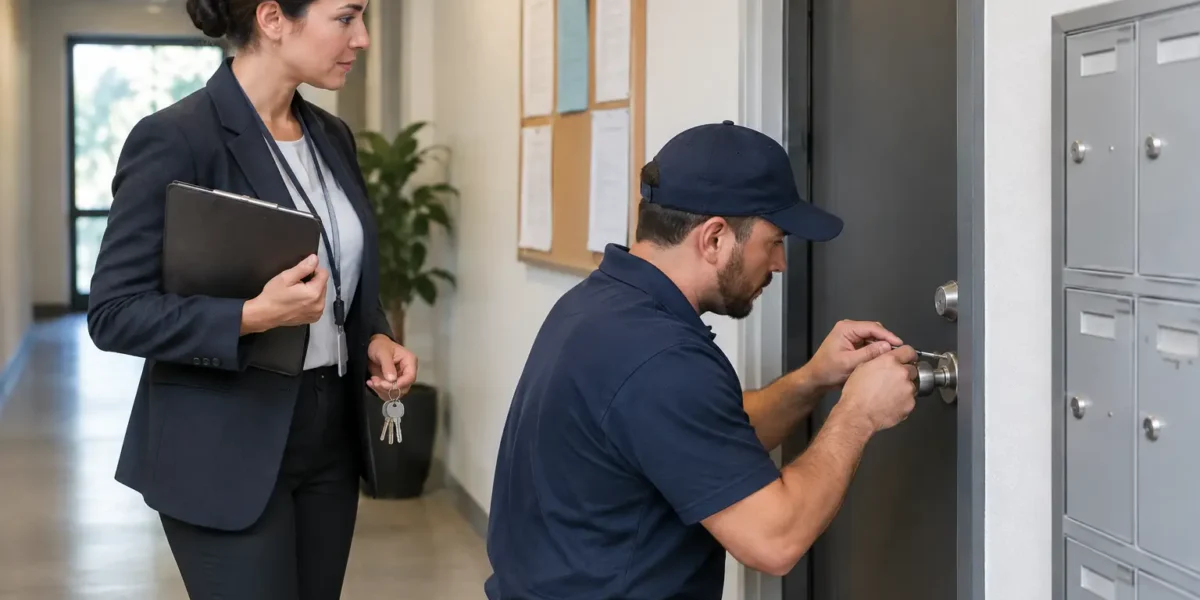
Emergency repairs are another common reason. If a lock has failed, a key has snapped inside the cylinder, or the door has been damaged in a break-in, the landlord may need a locksmith without delay. Tell the tenant what has happened, when the work will take place, and how they will receive replacement keys. Fast communication is part of good property care.
A tenant may also ask for a lock change after a lost key, relationship breakdown, stalking concern, or suspected unauthorized copy of a key. Some states have specific protections for tenants experiencing domestic violence, sexual assault, or stalking. These rules can require landlords to change locks quickly or permit the tenant to do so. Treat these requests with care, privacy, and urgency, and check the applicable state and local requirements.
When Changing the Locks Can Become an Illegal Lockout
Late rent does not usually give a landlord permission to change a tenant’s locks. Neither do complaints, lease disputes, noise issues, or a desire to make the tenant “take action.” If the tenant still occupies the home, the proper route is the notice and eviction procedure required in your area.
An illegal lockout may involve more than a new lock. Removing the tenant’s belongings, shutting off utilities, blocking entry with boards, or refusing to repair a lock that prevents access can create the same problem. Courts tend to look at the practical effect: was the tenant deprived of the ability to live in the property?
Even where local laws allow limited action in unusual circumstances, the details matter. Requirements can differ by state, county, and city. Before taking possession of a unit with belongings still inside, speak with a qualified local attorney or property professional who understands the rules where the rental is located.
Notice, Access, and a Better Way to Handle Repairs
If the lock change is a normal repair rather than an emergency, give the tenant the notice required by the lease and local law before entering. Many areas require reasonable advance notice, often around 24 hours, but the exact timeframe varies. A clear written message should state why access is needed, the anticipated date and time, and who will carry out the work.
For urgent repairs, notice may be shorter because protecting the property and its occupants comes first. Still, call or message the tenant as soon as possible. Explain the problem in plain language and confirm how access will be restored once the new hardware is installed.
Good communication is not just courteous. It protects both sides. The tenant knows their home is secure, and the landlord has a record showing that the work was necessary and handled responsibly.
Can Tenants Change Their Own Locks?
Whether tenants can change locks depends on the lease and local law. Some leases allow it if the tenant gives the landlord a replacement key. Others require written permission first, particularly in multiunit buildings where emergency access, fire safety, or a shared master-key system is involved.
Landlords should avoid blanket policies that ignore safety concerns. A tenant who needs a lock change for personal protection may have rights that override a standard lease clause. A practical policy sets out who pays, what quality of lock is required, whether professional installation is necessary, and how the landlord receives updated access information.
For tenants, the best first step is to put the request in writing. Explain the security concern without sharing more personal detail than necessary, ask for a response deadline, and keep copies of all communication. If the situation involves immediate danger, contact local emergency services and seek advice from a local tenant support organization or attorney.
Choose Security Hardware That Protects the Property
A lock change is a chance to improve security, not just replace a key. Cheap hardware can fail early, stick in cold weather, or leave a door vulnerable to forced entry. The lock, strike plate, door frame, hinges, and door itself all work together.
For exterior doors, choose durable hardware suited to the door material and the property’s level of use. A properly fitted deadbolt or high-quality multipoint locking system can offer better protection than a basic replacement cylinder. Reinforced strike plates and longer screws secured into the framing can also make a meaningful difference.
Do not overlook the condition of the door. A strong lock fitted to a warped door, loose frame, or worn hinges will not perform as intended. Professional fitting helps ensure the latch aligns correctly, the key turns smoothly, and the door closes securely without excessive force. That is workmanship worth buzzing about because it reduces callouts, protects tenants, and helps preserve the property over time.
A Sensible Process for Landlords
When a lock issue arises, start by identifying whether it is a repair, a safety request, an end-of-tenancy turnover, or a possession dispute. Those situations require different responses. Keep the lease, written notices, photographs, invoices, key records, and tenant communications together in the property file.
If the tenant remains legally entitled to live there, arrange the work in a way that preserves their access. If the tenancy has ended, confirm possession before rekeying or replacing locks. If there is any uncertainty, pause before acting. The cost of a short legal consultation is usually far lower than the cost of defending an unlawful lockout claim.
Common Questions About Landlord Lock Changes
Can a landlord enter to change locks without permission?
A landlord may be able to enter for a legitimate repair with proper notice, or without prior notice during a true emergency. Permission is not always required, but lawful notice and a valid reason usually are. Entering simply to restrict a tenant’s access is a different matter and may be unlawful.
Should landlords rekey between tenants?
Yes, rekeying or changing locks between tenants is a smart security practice and may be required in some locations. Previous tenants, contractors, cleaners, and agents may still have copies of old keys. Rekeying when possession changes gives the next resident a clean start and helps the landlord maintain control of access.
A well-managed rental should feel secure from the first day of a tenancy to the last. Handle lock changes with documented care, use quality hardware, and get local legal guidance before restricting anyone’s access to their home.