

-
On October 24, 2026
Guide to Bifold Door Costs for Manchester Homes
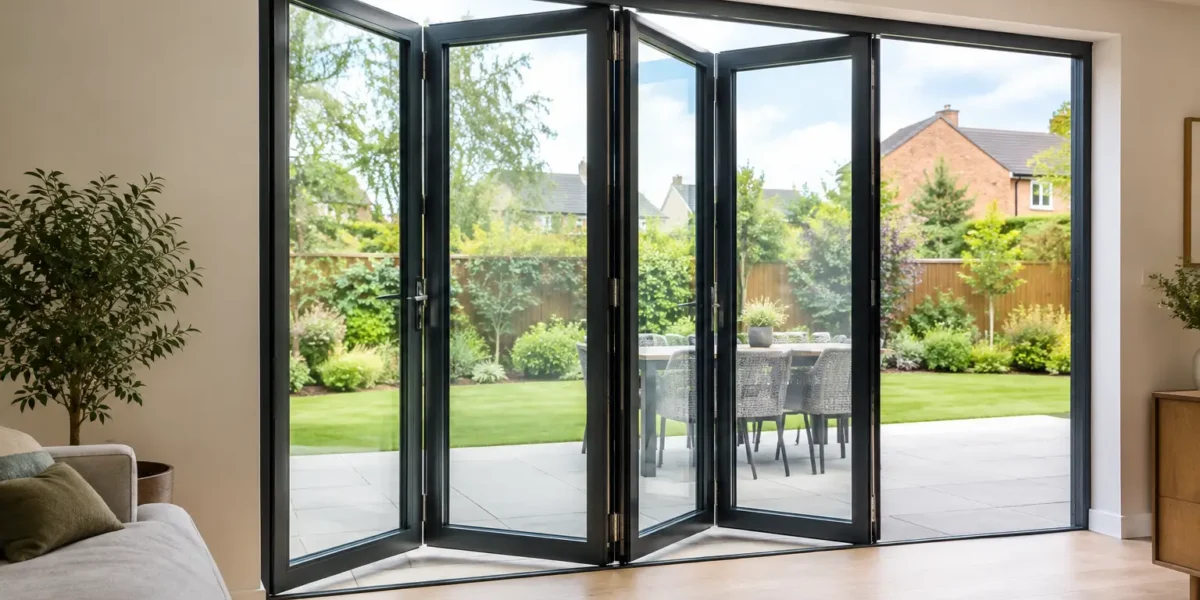
A set of bifold doors can turn a dark rear room into a brighter, more usable space, but the price is rarely just the price of the doors. In this guide to bifold door costs, we break down what Manchester property owners should expect to pay, what changes the final figure, and where spending a little more can protect your home and investment.
Bifold doors are a substantial home improvement. They affect insulation, security, everyday access to the garden, and the look of your property from inside and out. A good quote should therefore cover much more than a frame and glass. It should account for accurate measuring, suitable glazing, secure hardware, professional fitting, finishing work, and any structural alterations needed for the opening.
Typical Bifold Door Costs in Manchester
For a straightforward replacement in an existing opening, installed bifold door prices commonly start at around £1,800 to £3,000 for a smaller uPVC system. Aluminum bifold doors for a typical three-panel opening often fall between £3,000 and £5,500 installed, while larger, premium aluminum systems can run from £6,000 to £10,000 or more.
These are planning ranges, not fixed price promises. The width and height of the opening, number of panels, frame material, glass specification, color, and site conditions all matter. A simple two-panel installation in a ready-made opening is a very different job from opening up the back wall of a Victorian terrace and fitting a five-panel aluminum system beneath a new steel lintel.
Timber bifolds can also sit at the higher end of the market. They offer a distinctive natural finish but need more ongoing care than uPVC or aluminum. For many Manchester homeowners, aluminum is the sweet spot: slim sightlines, strong frames, broad color choices, and low maintenance. It costs more upfront, but it can be a sensible fit for wide openings and modern extensions.
What Is Included in a Bifold Door Quote?
A low headline figure can look tempting until the extras begin to appear. When comparing quotes, make sure you are comparing like for like. The supply-only price of a door set is not the same as a fully installed price with glazing, locks, trims, disposal, and making good around the opening.
A thorough installation quote should state the door configuration, frame finish, glazing type, hardware, locking arrangement, fitting labor, and whether old doors or windows will be removed. It should also clarify whether internal plaster repairs, external brickwork, new lintels, electrical work, and floor adjustments are included or excluded.
This detail is where a local specialist earns its keep. A survey can identify practical issues before order day, such as an uneven threshold, restricted access, an undersized opening, or drainage that needs attention. Getting those details right prevents unwanted cost surprises and helps the doors perform as they should through Manchester’s wet and windy seasons.
Door size and number of panels
More glass and more panels generally mean a higher cost. A compact two-panel system may work well for a small kitchen or garden room. Wider openings may need three, four, five, or six panels, and each extra panel adds frame, glass, rollers, hinges, and installation time.
The way the doors stack also affects price and usability. You may want all panels to slide to one side, split from the center, or include a traffic door for everyday trips outside without opening the full set. There is no single best layout. The right choice depends on furniture placement, patio space, and how your household uses the room.
Frame material
uPVC is usually the most budget-friendly route. Modern uPVC bifolds can be thermally efficient and easy to maintain, although their frames are typically thicker and they are less suited to very large spans.
Aluminum costs more, but its strength supports slimmer frames and larger panes. It is a popular choice where homeowners want a clean, contemporary view of the garden. Powder-coated aluminum also offers an extensive range of colors, from classic white and anthracite gray to darker statement finishes.
Timber has warmth and character that suit period homes, but it requires regular protection from moisture and sunlight. Composite options may offer a balance of looks and performance, though availability and pricing vary by manufacturer.
Glass and energy performance
Double glazing is standard for most installations, but not every sealed unit performs the same. Low-emissivity coatings, warm-edge spacer bars, argon-filled units, and solar-control glass can raise the initial cost while improving comfort.
If your doors face south or west, large glass panels can bring welcome light but also intense afternoon heat. Solar-control glazing may be worth considering in a bright extension. In a cooler or shaded room, prioritizing thermal performance may make more sense. The best specification depends on orientation, room use, and budget rather than a one-size-fits-all upgrade.
Installation Costs That Can Change the Budget
Fitting replacement bifolds into an existing, structurally sound opening is generally the most predictable scenario. Creating or widening an opening is where costs can rise quickly. Removing masonry may require a structural assessment, a steel or concrete lintel, temporary support, plastering, and exterior finishing. Depending on the work involved, structural alterations can add several thousand pounds to the project.
Threshold preparation matters too. A low threshold gives a neater transition between indoors and outdoors, but the finished floor level, drainage, and weather protection all need careful planning. A poorly considered threshold can lead to water ingress or awkward steps, neither of which is a bargain.
Access can affect labor costs. If large glazed panels must be carried through a narrow side passage, up steps, or across a finished extension, the installer may need additional labor or specialist handling equipment. This is normal, and a clear survey-led quote should make it visible from the start.
A Guide to Bifold Door Costs Without Cutting Corners
There are sensible ways to keep a bifold project within budget. Choosing a standard color instead of a bespoke finish, retaining an existing suitable opening, and selecting a straightforward panel arrangement can reduce cost. Scheduling the doors as part of a wider renovation can also be more efficient than revisiting structural and finishing work later.
What should not be sacrificed is security, correct installation, and weather performance. Look for multi-point locking, strong cylinders, quality hinges and running gear, toughened safety glass where required, and a frame system designed for external use. Doors that look impressive on installation day but bind, leak, or lose alignment after a season are not good value.
It is also worth thinking beyond the initial invoice. Cheap hardware can wear sooner. Poorly fitted doors can allow drafts or water through. A better-quality system, correctly measured and installed, can support thermal comfort, reduce maintenance demands, and add genuine appeal when it is time to sell or let the property.
Questions to Ask Before You Approve a Quote
Ask whether the price includes a site survey, supply, glazing, fitting, removal of existing units, and disposal. Confirm the glass specification and safety glazing locations. Ask how the doors will drain, what security hardware is included, how the panels will stack, and what guarantee applies to both the product and workmanship.
For older Manchester homes, ask directly whether the proposed opening needs a lintel or structural work. For extensions, check that the threshold and external patio level will work together before the doors are ordered. These conversations are not small print. They are the difference between a smooth project and a frustrating one.
A dependable local installer should be happy to explain the options in plain language, not push you toward the most expensive configuration. At Bee Manchester, the focus is on finding doors that suit the property, the way you live, and the level of investment you are comfortable making.
The most useful next step is a measured survey and a written, itemized quote. Once you can see exactly what is included, you can choose bifold doors that bring in the light, keep the weather out, and leave you buzzing with the result for years to come.