

-
On September 26, 2026
Rental Property Lock Upgrade Example for Landlords
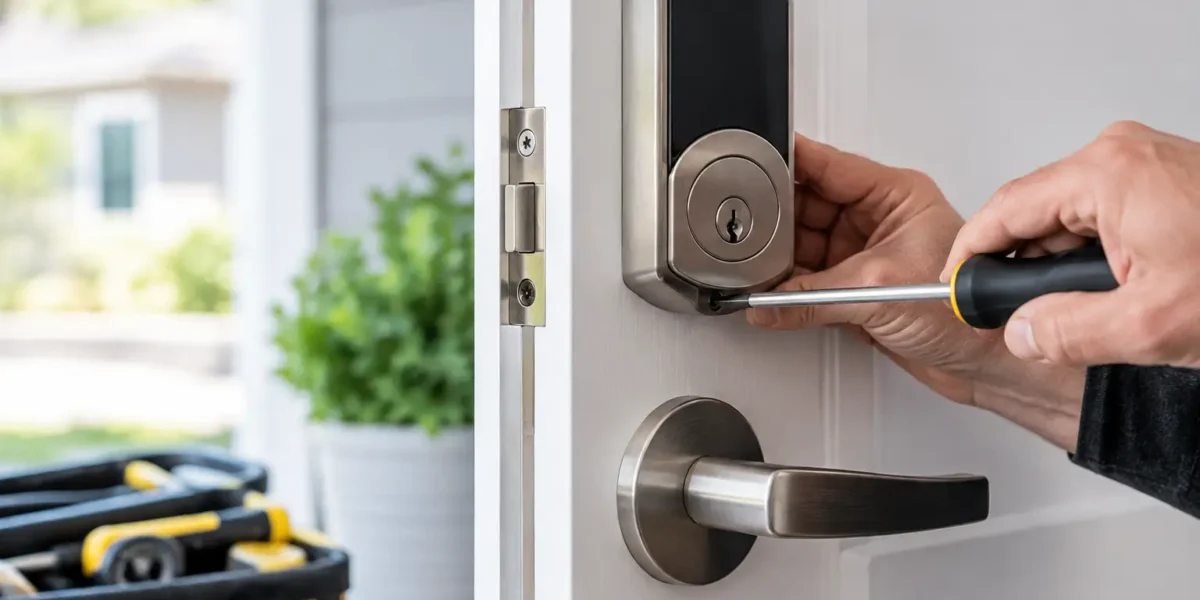
A tenant moves out on Friday. By Monday, a new tenant is due to collect the keys. The front door still closes, but the cylinder is stiff, the old key has been copied several times, and nobody can say exactly who still has one. This rental property lock upgrade example shows how a modest, well-chosen improvement can protect the property, reassure the next tenant, and save a landlord from a far more expensive emergency callout.
For rental homes, locks are not simply a finishing touch. They are part of the handover process, the property’s security plan, and the tenant’s first impression. A door can look perfectly presentable while its locking hardware has become unreliable or easy to compromise.
A Rental Property Lock Upgrade Example
Consider a typical rental flat with a uPVC front door and a multipoint locking strip. The door itself is in good condition: no cracks, no warping, and the hinges are secure. However, it has an older standard euro cylinder that turns roughly, protrudes slightly beyond the handle, and uses a basic key profile. The previous tenant returned two keys, but the landlord knows additional copies may exist.
The sensible upgrade is not automatically a whole new door. A lock specialist first checks that the door aligns correctly and that the multipoint mechanism engages fully when the handle is lifted. Once the door and mechanism are confirmed as sound, the old cylinder can be replaced with a correctly sized, higher-security cylinder designed to resist common forced-entry methods. New keys are issued only to the landlord, managing agent, and incoming tenant.
The result is practical rather than flashy. The rental retains its existing door, the new tenant starts with clear key control, and the landlord has removed a known weak point. If the handles are worn or loose, upgrading those at the same time can improve both security and curb appeal without turning a straightforward job into a full replacement project.
Why changing the lock between tenancies matters
A returned key is not proof that every key has been returned. Tenants may have given copies to family members, cleaners, dog walkers, former partners, or contractors. Most people do this innocently, but landlords should not have to rely on guesswork once a tenancy ends.
Changing or rekeying the lock between tenants also creates a clean record. The landlord knows which keys were issued, how many exist, and when the cylinder was last replaced. That makes future maintenance easier, especially for landlords managing several homes.
There is a tenant-confidence benefit, too. A new resident wants to feel that their front door is theirs from day one. A fresh cylinder and newly cut keys signal that the property has been prepared carefully, not simply turned around as quickly as possible.
Start with the door, not the cylinder
A stronger cylinder cannot compensate for a door that is badly aligned. On uPVC and composite doors, the multipoint lock should engage smoothly when the handle is lifted. If the tenant needs to pull the door hard, lift the handle with force, or jiggle the key to lock up, the issue may be adjustment, worn hinges, keeps, or the locking gearbox rather than the cylinder alone.
Ignoring alignment can shorten the life of a new lock. It can also lead to a frustrating callout when a tenant cannot lock the door late at night. A professional inspection checks the complete setup: cylinder, handles, door alignment, hinges, locking points, and frame keeps.
Wooden doors require a different assessment. They may use a night latch, a mortise deadlock, or both. In that case, the right rental upgrade could be a new rim cylinder, a replacement mortise lock, improved door furniture, or repairs to the strike plate and surrounding timber. The best answer depends on how the door is built and how it is used.
Choose security that suits the property
Landlords do not need to buy the most expensive product on the shelf for every door. They do need a lock that suits the door type, the local risk, and the condition of the existing hardware. A ground-floor apartment with a rear entrance may need a different approach from a well-maintained top-floor flat with a secure communal entry system.
For euro-cylinder doors, a properly sized higher-security cylinder is often a strong investment. The cylinder should sit neatly with the handle rather than extending significantly past it, where it may be more exposed. Quality security handles can add another layer of protection and make a tired door look sharper.
For houses with multiple external doors, consistency helps. Using compatible key arrangements can reduce the number of keys a landlord or tenant carries, provided this does not compromise access control. In a shared building, however, separate keys may be preferable so access remains limited to the right areas.
Smart locks can be useful in certain rentals, particularly furnished or short-term properties where access changes frequently. They are not always the ideal answer for a long-term tenancy. They rely on batteries, user setup, and clear procedures for emergency access. A dependable mechanical lock remains essential, and any electronic option should be selected with tenant usability in mind.
Key control is part of the upgrade
A lock replacement works best when the key process is equally organized. Record the number of keys supplied, retain a secure landlord copy where appropriate, and make it clear whether tenants need permission before arranging additional keys. If a key is lost, act promptly rather than waiting until the next tenancy.
Avoid leaving spare keys under planters, behind bins, or in lockboxes that have been used for years. These arrangements often become known to more people than intended. If a lockbox is needed for contractor access, use it temporarily, change the code when access changes, and remove it when the work is complete.
For managed blocks or commercial units, key control can become more complex. A master-keyed system may be convenient, but it needs careful planning. The wrong setup can create avoidable access risks or make later changes more costly. This is where a tailored recommendation earns its keep.
When a lock upgrade is not enough
Sometimes the cylinder is only the visible symptom. If there are signs of attempted forced entry, loose handles, a damaged frame, or a door that will not lock reliably, a simple swap may be the wrong fix. The same applies when a tenant reports that the key sticks repeatedly or the handle drops after lifting.
Fire doors deserve particular care. Their hardware, self-closing action, and clearances may have safety implications. Do not fit incompatible hardware or make alterations simply because a standard lock looks similar. A suitable professional should assess the door before work begins.
Landlords should also check their insurance requirements and any obligations that apply to their property type. Security standards, licensing conditions, and tenancy responsibilities can vary. Good workmanship supports compliance, but it does not replace checking the rules that apply to a specific rental.
Plan the work around a changeover
The smoothest time to upgrade rental locks is after one tenant leaves and before the next moves in. Arrange the inspection early enough to allow for unexpected repairs, then test every key and locking point before handing over possession. This prevents a small issue from becoming the first maintenance request of a new tenancy.
Keep the invoice and a note of the lock type in the property file. If a future cylinder needs replacing, that information can speed up the job and help maintain a consistent security standard across the portfolio.
At Bee Manchester, the focus is on fitting the right solution for the door already in place, whether that means a fresh cylinder, repaired multipoint lock, upgraded handles, or wider door repairs. A well-timed lock upgrade is one of those small property decisions that keeps the whole rental running smoothly – safe for tenants, manageable for landlords, and ready for the next set of keys.