

-
On September 28, 2026
Secondary Versus Double Glazing: Which Fits?
A cold draft near the window, traffic noise after bedtime, and rising heating bills can make any Manchester property feel less comfortable than it should. The choice between secondary versus double glazing often comes down to one practical question: should you improve the window you have, or replace it altogether? Both can make a meaningful difference, but they solve different problems and suit different buildings.
For homeowners, landlords, and business owners, the best answer is rarely the cheapest option on day one. It is the option that fits the condition of your frames, the character of the property, your security needs, and how long you expect the upgrade to last.
Secondary Versus Double Glazing: The Main Difference
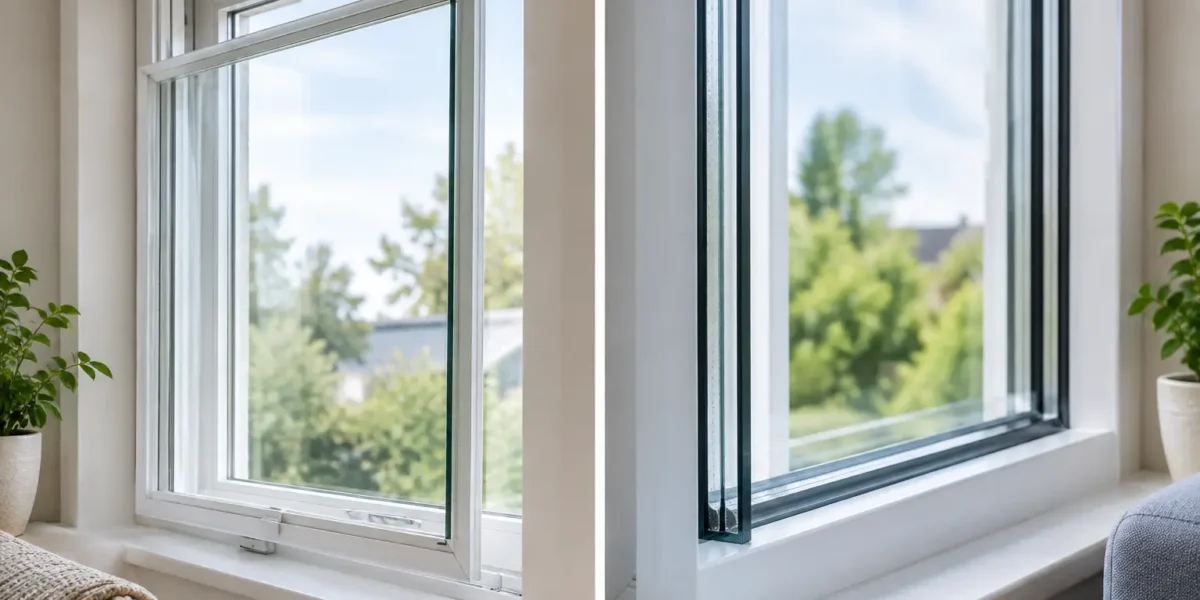
Double glazing is a complete window unit with two panes of glass separated by a sealed gap. That gap is filled with air or gas and works as an insulating barrier. When people replace old single-pane windows with modern uPVC double-glazed windows, they are usually changing the glass, frame, seals, locks, and opening mechanism in one project.
Secondary glazing is an additional internal pane or panel fitted behind an existing window. Your original window remains in place, while the secondary unit creates another layer between the room and the outdoors. It can be fixed, hinged, sliding, or removable, depending on access and the style of the existing window.
That distinction matters. Double glazing is a replacement solution. Secondary glazing is an add-on solution. One is not automatically better than the other – the right choice depends on what your current windows can realistically deliver.
When Double Glazing Is the Better Investment
If your existing frames are damaged, warped, difficult to lock, or beyond economical repair, new double glazing is usually the smarter long-term move. Adding a second panel behind a failing window does not cure rotten timber, worn hinges, broken handles, failed seals, or gaps around the frame.
A full replacement gives you the chance to improve several parts of the property at once. Modern double-glazed windows can provide stronger frames, better weather seals, secure locking systems, smoother opening, and a fresh look from inside and out. For many properties, that combination of warmth, security, and curb appeal makes the initial outlay worthwhile.
Better for aging or inefficient frames
Old single-pane windows often lose heat through more than just the glass. Air can pass around the sashes, through tired seals, or around poorly fitted frames. A professionally installed replacement window addresses the whole opening, not simply the pane.
This is particularly relevant for rental properties and commercial premises, where stubborn drafts, sticking windows, and unreliable locks can become repeated maintenance calls. Replacing a worn-out unit can reduce those headaches while making the building more appealing to tenants, customers, or future buyers.
A cleaner route to improved security
Security should be part of the decision, not an afterthought. Secondary glazing adds an extra physical barrier, but it does not upgrade the condition or locking performance of the original external window. New double-glazed windows can be specified with modern locking hardware and durable frames designed for everyday use.
For ground-floor rooms, accessible side elevations, and vacant commercial units, a replacement window may offer more reassurance. It also avoids relying on an older window that may already have weak catches, loose handles, or compromised timber.
The strongest choice for a full visual update
New windows can transform a frontage. Whether you prefer clean white uPVC, a wood-effect finish, or a color that better complements your doors and brickwork, replacement windows offer far more design flexibility than an internal secondary panel.
That said, appearance is not just about the street view. Slimmer sightlines, cleaner glass, easy-to-use handles, and windows that open properly can make rooms feel brighter and more cared for. For a property being renovated for sale or let, those details carry weight.
When Secondary Glazing Makes More Sense
Secondary glazing is often chosen when the existing window must stay. That may be because the property is listed, located in a conservation area, or fitted with original period windows worth preserving. It can also be a sensible option when the outer frames remain sound but you want better comfort without the cost and disruption of full replacement.
Because the panel sits inside the room, it has little effect on the building’s external appearance. That is a major advantage where planning restrictions apply or where original sash windows are a key feature of the home.
Useful for heritage and character properties
Original timber sash or casement windows can give a period property real charm, but single-pane glass and older seals can leave rooms chilly and noisy. Secondary glazing lets you retain those features while adding another insulating layer.
The quality of the result depends on careful measurement and fitting. A poorly fitted secondary panel can look bulky, interfere with curtains or blinds, and leave gaps that limit performance. A properly specified system should suit the window layout and still allow practical access for cleaning, ventilation, and everyday use.
Often effective against outside noise
Noise reduction is one area where secondary glazing can perform very well. The larger air space between the original window and the internal panel can help reduce traffic, rail, aircraft, and late-night street noise. The results vary with the glass type, gaps around the installation, and the source of the noise, but it can be a compelling option for bedrooms, home offices, and street-facing rooms.
Double glazing can also reduce noise, especially when acoustic glass or different pane thicknesses are used. Standard double glazing, however, is not automatically an acoustic solution. If noise is your main concern, ask about the full window specification rather than assuming any two-pane unit will solve it.
A lower-disruption upgrade
Secondary glazing can usually be installed from inside, with less disturbance to exterior finishes. It may be attractive if you are improving one or two problem rooms first, working to a tighter budget, or managing a property where a complete window replacement is not currently practical.
It does come with trade-offs. You will have another layer to clean, the room-facing panel may affect the look of the window reveal, and opening the original window can take an extra step. For some people, those are minor compromises. For others, especially where ventilation is used regularly, they may become frustrating over time.
Energy Efficiency: What Results Can You Expect?
Both options can improve thermal comfort compared with old single-pane windows. They reduce the cold surface effect near the glass and can help limit heat loss, making rooms easier to heat evenly. But energy performance is not only about the number of panes.
With double glazing, the frame quality, glass coating, spacer bars, installation method, and seal condition all matter. A high-performing sealed unit fitted into a poor frame will not perform as intended. With secondary glazing, the tightness of the internal panel and the condition of the existing external window matter just as much.
If condensation is already a concern, do not treat glazing as a stand-alone cure. Moisture indoors is affected by ventilation, heating patterns, occupancy, cooking, showering, and drying clothes. Better glazing can make inner surfaces warmer, but balanced ventilation is still essential. If there are visible leaks, damaged seals, or failed double-glazed units, address those faults first.
Cost: Look Beyond the First Quote
Secondary glazing is typically less expensive than replacing every window, particularly where custom-made timber frames or heritage requirements raise the cost of replacement. It can offer a practical middle ground when preserving existing windows is important.
Double glazing generally costs more upfront because it involves removing and disposing of old units, fitting new frames, making good around the opening, and installing new hardware. Yet it can represent better value when the current windows need frequent repairs or when you want to improve security, energy efficiency, operation, and appearance in one job.
The fairest comparison is not simply price per window. Consider the condition of what is already there, likely repair costs over the next few years, the expected lifespan of the upgrade, and whether the work supports your wider plans for the property.
Questions to Ask Before You Decide
Before choosing either route, inspect the existing windows honestly. Are the frames sound? Do they open and lock reliably? Is the issue mostly cold, noise, condensation, security, or appearance? Is the property subject to planning or conservation restrictions? And will the choice still make sense if you sell, let, or renovate the building later?
A professional survey is valuable because two windows that look similar from across the room may need very different solutions. One might only require replacement seals or hardware. Another may have a failed sealed unit. A third may need a complete replacement because the frame has deteriorated. Getting the diagnosis right keeps your budget focused on the work that will actually help.
For Manchester properties, Bee Manchester can assess the condition of your windows, explain the practical options, and help you choose an upgrade that is buzzing with quality rather than unnecessary expense.
The right glazing should make your rooms calmer, warmer, safer, and easier to live with – while still respecting the character and needs of the property you own.