

-
On August 23, 2026
Can Cracked Glass Be Repaired? What to Do Next
A crack across a window pane can start as a thin line and quickly become a bigger problem. It can let in drafts, weaken security, spoil the appearance of your property, and create a genuine injury risk if the glass fails. So, can cracked glass be repaired? For most residential and commercial windows, the practical answer is no: cracked glass should usually be replaced rather than repaired.
That does not always mean replacing the whole window. The right solution depends on the type of glass, the condition of the frame, and whether the damage has affected a sealed double-glazed unit. A professional assessment helps you fix the actual issue without paying for work your property does not need.
Can Cracked Glass Be Repaired or Does It Need Replacing?
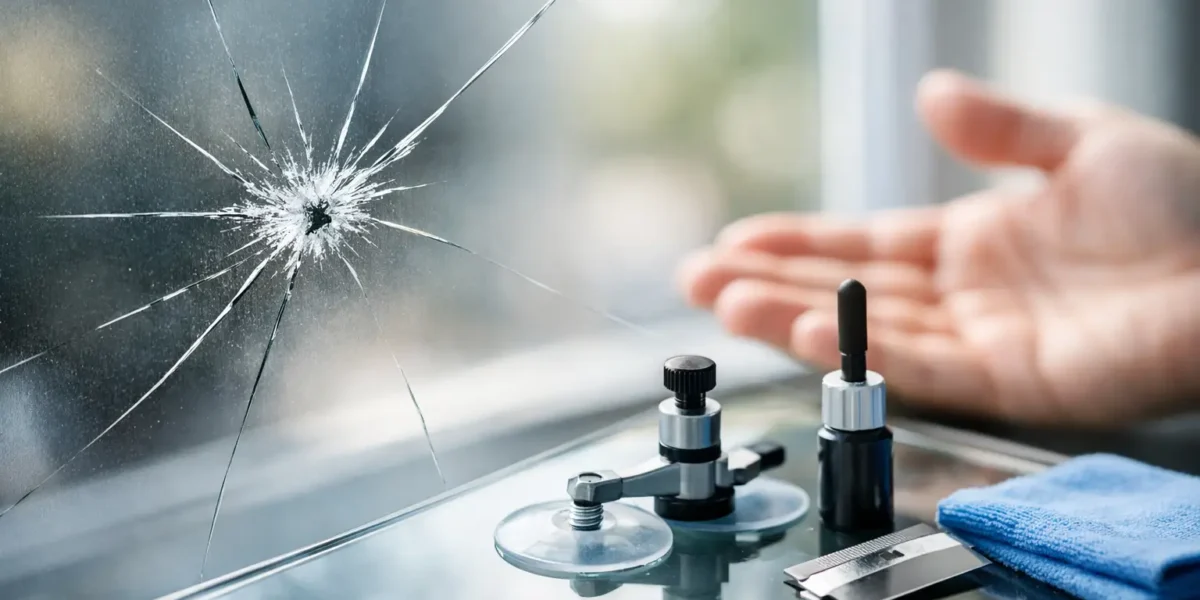
Glass repair is often confused with glass replacement. Small chips in a vehicle windshield can sometimes be stabilized with specialist resin, but window glass behaves differently. Once a pane has cracked, the glass has lost strength. Filling or covering the crack may make it less noticeable for a short time, but it will not restore the pane’s original structural integrity.
Temperature changes, wind pressure, vibration from a closing door, or a simple knock can cause a crack to spread. This is especially common in exterior windows, where cold weather outside and heating inside put the glass under changing pressure.
For a standard single-pane window, the usual repair is to remove and replace the damaged pane. With modern double glazing, the answer is often to replace the sealed glass unit rather than the complete window frame. If your uPVC, aluminum, or timber frame is still sound, replacing only the glazing can be a cost-effective way to restore insulation, clarity, and security.
Why a Cracked Window Should Not Be Ignored
A cracked pane is more than a cosmetic nuisance. Even a small fracture creates a vulnerable point in the window. It may reduce resistance to forced entry and can worsen faster than expected, particularly around the edges of the glass.
The crack can also affect thermal performance. A damaged or failed sealed unit may allow cold air in and heated air out, making rooms less comfortable and potentially increasing energy costs. If you can see moisture, misting, or condensation trapped between two panes, the seal has likely failed too. In that case, cleaning the glass will not solve the problem because the moisture is inside the unit.
For landlords and business owners, damaged glazing can also become a safety and maintenance concern. A customer-facing shopfront, communal entrance, rental property, or office window needs to remain secure and safe for everyone using the building.
Signs You Need Urgent Glass Replacement
Arrange prompt professional help if you notice any of the following:
- The crack is spreading, reaches the edge of the pane, or runs in several directions.
- The glass is loose, bowed, shattered, or has sharp fragments around the frame.
- The damaged window is on a ground floor, door, accessible side entrance, or other security-sensitive area.
- There is condensation between panes, a draft around the glass, or visible damage to the surrounding frame.
If a pane has broken completely, keep people and pets away from the area. Do not press on unstable glass or attempt to remove larger pieces without suitable protective equipment. A temporary cover may protect the opening until replacement can be arranged, but it is not a substitute for properly fitted glazing.
When You Can Replace the Glass Instead of the Whole Window
Homeowners often assume a cracked double-glazed pane means a full window replacement. That is not necessarily the case. A competent glazing specialist can measure the existing sealed unit and fit a new one into a healthy frame.
This approach makes sense when the window opens and closes correctly, the frame is not warped or heavily damaged, and the locking hardware remains reliable. It preserves the existing style of the property while dealing directly with the failed component.
Replacement units can also be chosen to suit how you use the room. Obscure glass can improve privacy in bathrooms or entrance areas. Toughened safety glass is often appropriate for doors, low-level windows, and areas with higher impact risk. Laminated glass can add a further security benefit by holding together more effectively if broken. For noisy roads or busy parts of Manchester, upgraded acoustic glazing may also be worth considering when the unit is being replaced.
The frame should be examined at the same time. Perished seals, worn hinges, faulty handles, and poor locking mechanisms can make an otherwise good window feel insecure or drafty. Addressing these smaller issues during a glazing repair can help the window perform as it should.
What Causes Glass to Crack?
Knowing why the glass cracked matters. A replacement pane may solve the immediate issue, but the same problem can return if pressure from the frame or movement in the building is left unaddressed.
Accidental impact is the most obvious cause. A football, gardening tool, moving furniture, or attempted break-in can chip or crack the glass. Thermal stress is another common culprit. This occurs when one part of a pane becomes much hotter or colder than another, such as when strong sunlight hits a shaded window or a heat source is positioned close to the glass.
Older glazing can also crack as seals and supports deteriorate. In some cases, settlement in the property, a badly fitted unit, or a frame that has expanded and contracted over time may place uneven stress on the glass. Cracks without a clear impact point deserve a closer inspection, especially if they begin at the edge of the pane.
Why DIY Crack Fixes Usually Create More Problems
Clear tape, adhesive, resin kits, and films are frequently suggested as quick fixes. They may reduce drafts briefly or help hold tiny fragments in place while you wait for an appointment, but they do not make cracked window glass safe, secure, or energy efficient again.
DIY work can be particularly risky with sealed double glazing. Breaking the perimeter seal, damaging the bead, or fitting the wrong glass thickness can lead to water ingress, heat loss, rattling, and further breakage. Safety glass also needs to be specified and fitted correctly for its location.
There is a difference between a sensible temporary measure and a lasting repair. Covering an opening to keep rain out overnight is sensible. Treating that cover as a permanent solution is not. A properly measured replacement unit will sit securely in the frame, seal correctly, and maintain the window’s intended function.
Choosing the Right Replacement Glass
The best replacement is not always the cheapest pane available. Consider where the window is located, whether the room suffers from heat loss or outside noise, and how much security or privacy it needs. A ground-floor window beside a path may call for a different specification than an upstairs bedroom window.
A local specialist can identify the glass type, check the unit thickness and spacer, assess the frame, and recommend an option that complements the rest of the property. At Bee Manchester, that means looking beyond the crack itself and helping property owners make a practical choice that supports security, comfort, and curb appeal.
If the frame is at the end of its life, a complete replacement window may offer better long-term value. But if the frame remains secure and weather-tight, replacing the glass unit is often the smarter route. The key is an honest assessment, not a one-size-fits-all answer.
A cracked window rarely improves with time. Get it checked while the damage is still contained, and you can protect your property with a replacement that looks right, fits properly, and keeps your home or business buzzing along safely.