

-
On July 24, 2026
How to Choose Replacement Windows for Your Home
A drafty bedroom, condensation between panes, windows that stick, or street noise that cuts through the glass are all signs it may be time to act. Knowing how to choose replacement windows means looking beyond a fresh frame and a nice color. The right choice can make your property warmer, quieter, safer, and more attractive for years to come.
For homeowners, landlords, and small business owners, replacement windows are a practical upgrade with a visible payoff. They affect energy use, daily comfort, curb appeal, and security. The best window is not always the most expensive model on the page – it is the one that suits your building, your priorities, and the quality of the installation.
Start With What Your Current Windows Are Telling You
Before comparing materials or styles, take a close look at the windows you already have. A little wear around a handle may only call for a repair. Widespread drafts, failed sealed units, warped frames, cracked glass, or recurring leaks usually point toward replacement.
Feel for cold air around the frame on a windy day. Look for water stains on the sill, peeling paint, and misting between double-pane glass. If you can hear every passing car or struggle to open and lock the window, the unit may no longer be doing its job.
It also helps to separate the problem from the product. Sometimes the glass unit, hinges, handles, locks, or weather seals can be repaired without replacing the full window. A dependable specialist should assess this honestly. Replacing only what is necessary can protect your budget while restoring security and performance.
Choose a Window Style That Works for the Room
Window style affects ventilation, cleaning, privacy, and the appearance of your property. A design that looks great on the front elevation may be inconvenient above a kitchen sink or in a narrow upstairs room.
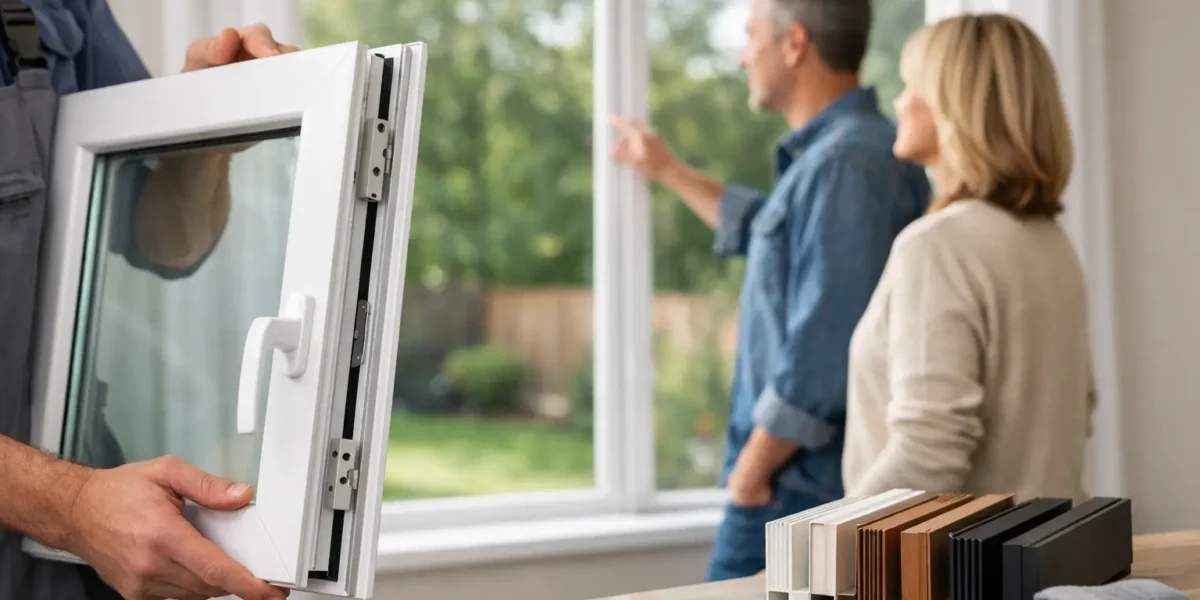
Casement windows are a popular all-around option because they offer wide openings, reliable seals, and a traditional appearance that works with many home styles. Tilt-and-turn windows are especially useful where easy cleaning and controlled ventilation matter. They can tilt inward for a small amount of airflow or open fully inward when needed.
For bay or bow windows, preserving the shape and character of the opening is often the priority. These installations can bring in more natural light and make a room feel larger, but they need careful measuring and structural attention. Sliding windows can suit rooms with limited space around the opening, while fixed picture windows work well where the goal is light and a clear view rather than ventilation.
Think about how each room is used. Bedrooms need secure ventilation and easy escape routes where required. Bathrooms benefit from privacy glass and moisture-resistant materials. Ground-floor windows should combine easy operation with strong locking. In a rental property, durable styles with straightforward maintenance can save headaches over time.
Compare Frame Materials Before You Fall for the Finish
The frame material has a major impact on insulation, maintenance, cost, and the overall look. There is no one-size-fits-all answer, so weigh the trade-offs rather than choosing on appearance alone.
uPVC remains a popular choice for good reason. It is low maintenance, cost-effective, weather resistant, and available in far more colors and finishes than the plain white frames many people remember. Modern uPVC can suit both contemporary properties and more traditional homes when paired with the right glazing bars, hardware, and wood-effect finish.
Aluminum frames offer slim sightlines and a crisp, modern profile. They are strong and can be an excellent choice for larger glass areas, commercial settings, or homeowners who want a more architectural look. They may cost more upfront, but their durability and clean design can make them worthwhile in the right project.
Timber has natural warmth and can be appropriate for heritage properties or owners who want an authentic period finish. It needs more maintenance than uPVC or aluminum, however, and it should be chosen with a realistic understanding of the ongoing care involved.
Do not choose a frame color in isolation. Consider the brickwork, roofline, front door, and neighboring features. Black, anthracite gray, cream, and woodgrain finishes can transform curb appeal, but the best choice is one you will still enjoy after trends change.
Prioritize Glass Performance, Not Just Double Panes
Double-pane glazing is a strong starting point, but not all insulated glass units perform the same. The space between panes, gas fill, coatings, glass thickness, and installation quality all influence comfort and efficiency.
Low-emissivity glass helps reflect heat back into the room during colder weather while allowing useful daylight through. This can help reduce cold spots near the window and make rooms feel more comfortable. If your property faces a busy road, school, or commercial area, acoustic glass may be worth considering. It uses different glass thicknesses or laminated layers to reduce certain types of outside noise.
Safety glass is another decision that should be made room by room. Toughened or laminated glass is commonly used in doors, low-level glazing, and areas where impact is more likely. Obscure glass gives privacy in bathrooms, hallways, or overlooked ground-floor rooms without sacrificing daylight.
Be realistic about solar gain, too. Large south- or west-facing windows can bring welcome light, but they can also make a room uncomfortably warm in summer. The right glazing specification can help manage this, especially in extensions, conservatories, and rooms with wide glazed areas.
How to Choose Replacement Windows for Security
A replacement window should make a property harder to force open, not simply look newer. Security starts with a well-built frame and a properly fitted unit, then extends to the lock, hinges, handle, and glass.
Look for multi-point locking where appropriate, strong internal beading, quality handles, and hinge protection on opening windows. Laminated glass can add another layer of resistance in vulnerable locations. Ground-floor windows, accessible upper windows, and windows near flat roofs or side passages deserve particular attention.
For landlords and commercial owners, consistency matters. Standardizing reliable handles and locking systems across a property can make maintenance simpler and reduce confusion when keys, repairs, or replacements are needed. A secure window must still be practical to use, so ask how locks operate and whether the design supports safe everyday ventilation.
Never underestimate fitting. Even a high-specification window can underperform if it is poorly measured, badly sealed, or fixed incorrectly. Precise installation helps prevent drafts, water ingress, sticking sashes, and gaps that could compromise security.
Measure Value Over the Life of the Window
The lowest quote can be tempting, especially when several windows need attention at once. But replacement windows are a long-term purchase. A cheaper unit that fades, leaks, loses its seal, or needs early repair may cost more than a better-made option over its lifespan.
Compare quotes carefully. Check what is included for removal of old windows, disposal, trims, glazing specification, handles, locks, finishing, and installation. Ask whether any repairs to surrounding brickwork, sills, or interior finishes may be needed. These details prevent surprises once work begins.
Energy efficiency can justify investing in a stronger specification, but the savings depend on the condition of the windows being replaced, the rest of the building, and how the property is heated. If walls, doors, or roof spaces are poorly insulated, new windows alone will not solve every comfort issue. They can still be a valuable part of a wider improvement plan.
A tailored quote is usually more useful than a package price because it lets you balance priorities. You may want acoustic glazing at the front of the property, privacy glass in the bathroom, and a more budget-conscious specification in less-used rooms. That is a sensible way to spend where performance matters most.
Make Installation Part of Your Decision
Great windows need great workmanship. Before booking, ask who will survey the property, how measurements are checked, what protection is used inside the home, and how the installer handles unexpected issues such as damaged reveals or uneven openings.
A professional survey should cover more than height and width. It should assess the condition of the existing frames, drainage, ventilation needs, access, opening direction, and the finish inside and out. This is where a local specialist such as Bee Manchester can turn a hive of choices into a practical plan for your property.
Once your new windows are installed, keep the paperwork, care guidance, and warranty details somewhere safe. Clean tracks and drainage channels, avoid forcing stiff handles, and deal with minor faults early. A good replacement window should quietly get on with its job – holding in warmth, keeping out the weather, and helping your home feel secure every time you close it.