

-
On August 7, 2026
When Should Windows Be Replaced? 9 Clear Signs
A window can look perfectly acceptable from the driveway while quietly costing you money, comfort, and peace of mind indoors. If you are asking when should windows be replaced, the answer is rarely a fixed age. The better question is whether your current windows still keep out weather, noise, and unwanted access while operating as they should.
For homeowners, landlords, and business owners, replacement is often a practical decision rather than a purely cosmetic one. New windows can improve insulation, security, and curb appeal at once. But not every sticking sash or cloudy pane means the whole window needs to go. Knowing the difference can save you from paying for work that a quality repair could solve.
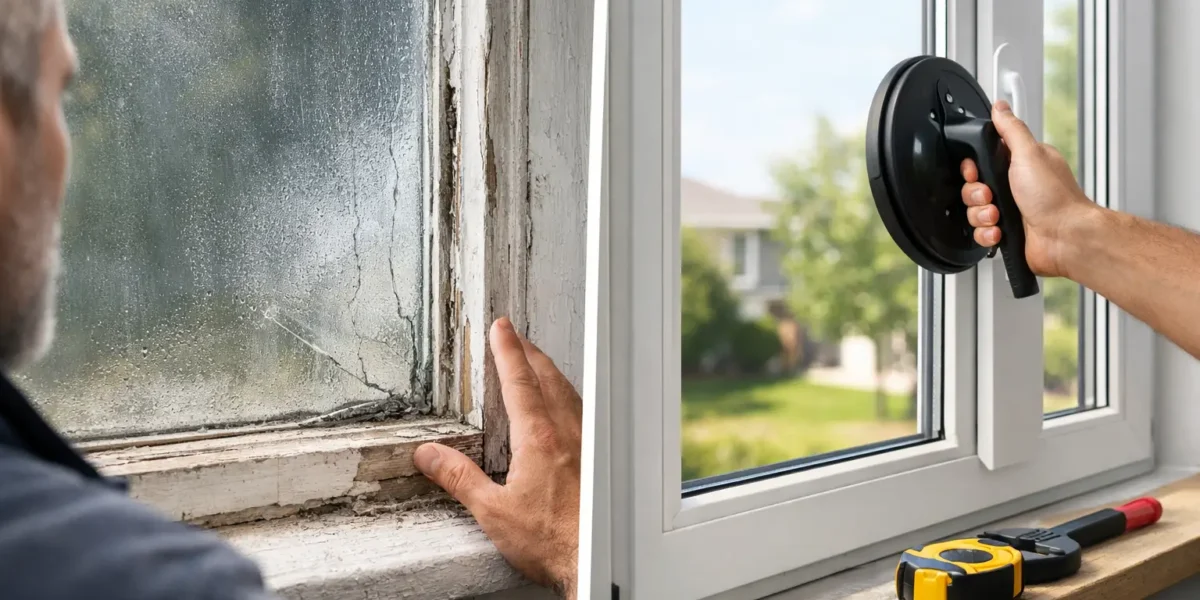
When Should Windows Be Replaced Rather Than Repaired?
A repair makes sense when the issue is isolated. A worn handle, damaged hinge, faulty lock, or one broken glazed unit can often be fixed without replacing the full frame. This is particularly worthwhile when your frames are in good condition, the window closes squarely, and there are no wider signs of moisture or deterioration.
Replacement becomes the smarter investment when several problems appear together, or when the frame itself has failed. If you are repairing drafts, broken hardware, and misted glass repeatedly, you may be putting money into a window that has reached the end of its useful life. A new, professionally fitted unit can offer a cleaner long-term result.
The material matters too. Well-maintained uPVC windows can last for decades, but sunlight, movement, poor installation, and everyday wear all affect their lifespan. Timber frames may be repairable if decay is caught early, while extensive rot can make replacement safer and more cost-effective. Aluminum windows are durable, though damaged seals and aging glazing can still reduce performance.
9 Signs Your Windows Need Attention
1. You Feel Drafts Around Closed Windows
A cold stream of air near a supposedly closed window is one of the clearest warning signs. Drafts can come from worn seals, gaps around the frame, failed hinges, or a sash that no longer sits tightly in place. They can make rooms uncomfortable and force your heating system to work harder.
Before replacing anything, have the source checked. Fresh seals or adjustments may restore a proper fit. If the frame is warped or the window will not close securely, replacement is usually the more dependable answer.
2. Condensation Is Between the Glass Panes
Condensation on the room-side surface can simply mean indoor humidity is high. Condensation between double-glazed panes is different. It usually means the perimeter seal has failed, allowing moisture into the sealed unit.
You may see fogging, water droplets, or a milky appearance that cannot be wiped away. In many cases, the glass unit can be replaced while keeping the existing frame. If multiple units are failing or the frames are also worn, a full window upgrade may offer better value.
3. Windows Are Difficult to Open, Close, or Lock
Windows should open smoothly, close evenly, and lock without a struggle. If you have to lift a sash, force a handle, or leave a window partly open because it will not latch, do not ignore it. The problem may be a worn mechanism, misaligned hinge, or swelling and movement in the frame.
This is not only an inconvenience. A window that cannot lock correctly is a security weakness, particularly on ground floors and accessible upper-story windows. Repair can often resolve hardware issues, but a distorted frame may need replacing to restore a reliable seal and lock point.
4. Your Energy Bills Keep Climbing
Higher energy costs have many causes, so windows should not automatically take the blame. Still, older single-pane glazing, failed double glazing, and leaky frames can make a noticeable difference, especially in rooms exposed to prevailing weather.
Look for patterns. Are certain rooms always colder in winter, hotter in summer, or harder to heat than the rest of the property? Modern double-glazed windows with quality seals can reduce heat loss and improve year-round comfort. The benefit depends on the rest of the building too, including insulation, ventilation, and heating controls.
5. The Frames Are Cracked, Rotten, or Warped
A small surface mark is not necessarily serious. Cracks that grow, soft timber, peeling finishes caused by moisture, or uPVC frames that have visibly bowed are more concerning. Once a frame loses its shape or structural strength, it may no longer support the glass securely or seal against rain and air.
Water staining around the inside reveal can be another clue. Moisture may be entering through failed seals, damaged external finishes, or poor drainage. A thorough inspection is worthwhile before choosing a solution, because the surrounding opening may also need attention.
6. Outside Noise Feels Excessive
No window can remove every sound from a busy street, but poor glazing and loose seals can make traffic, late-night activity, and wind noise far more noticeable. If you can hear conversations outside with the windows shut, it is worth checking the condition of the glass, seals, and frame.
Replacement windows can improve acoustic comfort, particularly when the right glazing specification is selected. This is a useful upgrade for bedrooms, home offices, rental properties, and small commercial spaces where concentration and privacy matter.
7. You See Water Leaks After Rain
Water on an internal sill, damp patches near the frame, or bubbling paint after heavy rain should be investigated quickly. Left alone, a leak can lead to mold, damaged plaster, and decayed timber around the opening.
The fix may be as straightforward as clearing drainage channels or renewing seals. However, recurring leaks can indicate failed glazing, frame damage, or an installation issue. Replacement should be considered when repairs cannot provide a lasting weather-tight result.
8. Your Windows Look Tired or Outdated
Appearance is not a shallow reason to replace windows. Faded frames, mismatched styles, damaged finishes, and dated glazing can pull down the look of an otherwise cared-for property. For landlords and business owners, first impressions can influence tenant interest and customer confidence.
A replacement gives you the chance to choose a frame style, color, glazing pattern, and hardware that suit the building. The best choice balances visual appeal with practical details such as opening direction, cleaning access, privacy, and security.
9. You Are Upgrading Security Elsewhere
If you are fitting a new front door, improving locks, or making changes after a security concern, assess your windows at the same time. Older windows may have weak or worn locking systems, thin glazing, or frames that no longer hold their lock keeps firmly.
A replacement window can be specified with modern locking options and secure hardware. If the frame and glazing remain sound, upgrading handles, hinges, or locks may be enough. The key is ensuring every accessible opening provides a consistent level of protection.
How to Decide Without Rushing the Job
Start with a room-by-room check. Open and lock each window, inspect seals and frames, and look for misting, water marks, or damage. Make a note of which issues are isolated and which occur throughout the property. This gives you a clearer picture than judging windows by age alone.
Next, think about your priorities. A landlord may need durable, low-maintenance replacements that improve tenant comfort. A homeowner may be focused on lowering drafts, matching a renovation, or reducing street noise. A small business may need stronger security without compromising the look of its frontage.
Then get a professional assessment that considers repair alongside replacement. A trustworthy recommendation should explain what has failed, what can be repaired, and what result you can realistically expect from each option. At Bee Manchester, the aim is to find the right fit for the property, not simply replace parts that can still perform well.
Choose Windows That Solve the Real Problem
If replacement is the right route, do not choose on price alone. The quality of the frame, glazing, hardware, and installation all affect how the window performs over time. A good window should close firmly, drain correctly, resist everyday wear, and complement the character of the property.
It also pays to plan the work around your wider goals. Replacing all windows at once may provide a consistent finish and stronger overall efficiency, while replacing the worst units first can spread the cost. Neither approach is automatically better. It depends on the condition of the existing windows, your budget, and how long you plan to keep the property.
The most useful next step is simple: choose one troublesome window and have its condition properly checked. Whether it needs a small repair or a full upgrade, addressing it now can keep a minor issue from becoming a much bigger job later.